



TL;DR
Choosing the right telecom customer service software in 2026 means investing in a cloud-based call center software solution that can manage every customer interaction across voice, SMS, and web chat, while maintaining consistent, high-quality customer experiences. The strongest platforms combine AI agents, smart routing, and omnichannel routing to improve first call resolution, reduce billing confusion, and support call center agents in resolving complex issues faster. Teams should aim to create more efficient, connected, and personalized service that improves customer satisfaction while giving their businesses the confidence to scale.
What Telecom Support Needs in 2026

Telecom customer service has fundamentally shifted. What was once a cost center focused on call handling is now a frontline driver of retention, revenue protection, and brand perception. In an industry where switching providers is easier than ever, support quality is often the deciding factor between churn and loyalty.
This shift is being accelerated by rising customer expectations and increasing operational complexity. Customers don’t just want fast answers; they expect context-aware, personalized support across every channel, with zero friction.
At the same time, telecom providers are managing growing service portfolios, more frequent outages tied to infrastructure strain, and higher volumes of interactions driven by digital-first behaviors.
Against this backdrop, telecom customer service software must evolve beyond traditional help desk functionality and deliver capabilities that are purpose-built for the realities of the industry:
- Outage readiness: Support teams must handle sudden, large-scale spikes in demand without collapsing under volume. This means priority routing, real-time dashboards, and status-page-driven messaging that proactively informs customers before they even reach out.
- Omnichannel reality: Customers move fluidly between voice, chat, email, and social, and expect your support team to keep up. The ability to transition seamlessly from a phone call to a ticket, or from chat to follow-up email, is no longer a “nice-to-have,” it’s essential.
- First-contact resolution pressure: Every repeat call or transfer increases cost and frustration. Modern platforms need to equip agents with the right context, knowledge, and AI assistance to resolve issues the first time, not escalate them.
- Multilingual scale: Telecom providers operate across regions, often supporting diverse customer bases. Instant language switching, both for chat and voice, is critical for delivering consistent experiences globally.
Operational rigor: High-performing telecom support teams run like well-oiled machines. That requires real-time SLA dashboards, visibility into abandonment and concurrency rates, and accurate forecasting to ensure the right staffing at the right time.
Security and compliance: Telecom support involves sensitive customer data, from billing details to identity verification. Robust PII controls, audit trails, role-based access, and data governance are non-negotiable.
Platforms in 2026 need to do more than simply handle tickets; they must orchestrate complex support operations at scale. Telecom providers are not choosing software based on features alone, but on how effectively those tools reduce operational strain, improve resolution speed, and ultimately protect revenue in a high-churn environment.
The 10 Best Telecom Customer Service Software Platforms for 2026

Below are the top platforms to consider when evaluating telecom customer service software in 2026. Each option is assessed based on how well it supports telecom-specific needs, from outage management to omnichannel engagement and operational scale. Rather than listing features in isolation, we’ve broken each platform down into the areas that matter most when making a buying decision.
BlueTweak — Editor’s Choice

BlueTweak positions itself as an AI-first, omnichannel customer service platform designed to unify fragmented support environments and give teams greater control over complex operations. Rather than layering automation onto legacy systems, it takes a more integrated approach, bringing together channels, workflows, and data into a single operational view.
This is reflected in real-world deployments. For example, in its work with Conectys, BlueTweak helped streamline high-volume, multilingual support operations, delivering measurable improvements in both efficiency and customer outcomes, including a 25% reduction in resolution times and a 35% uplift in customer satisfaction.
Best for: Telecom teams looking to consolidate chat, voice, and email into one platform with fast time-to-value.
Telecom fit: Strong alignment with telecom needs, including multi-brand routing, high-volume support, and structured workflows.
Channels/voice: Native support for chat, voice, and email with seamless handoffs across channels.
AI/automation: Knowledge-base-grounded AI for summaries and suggested replies; automation capabilities vary by setup.
Ops/WFM: Built-in analytics and workforce management tools for forecasting, performance tracking, and SLA visibility.
Pricing note: Starts at €65 per agent/month for an all-in-one platform including ticketing, voice, AI, analytics, and integrations; notably offered as a single bundled package rather than modular add-ons.
Genesys Cloud CX
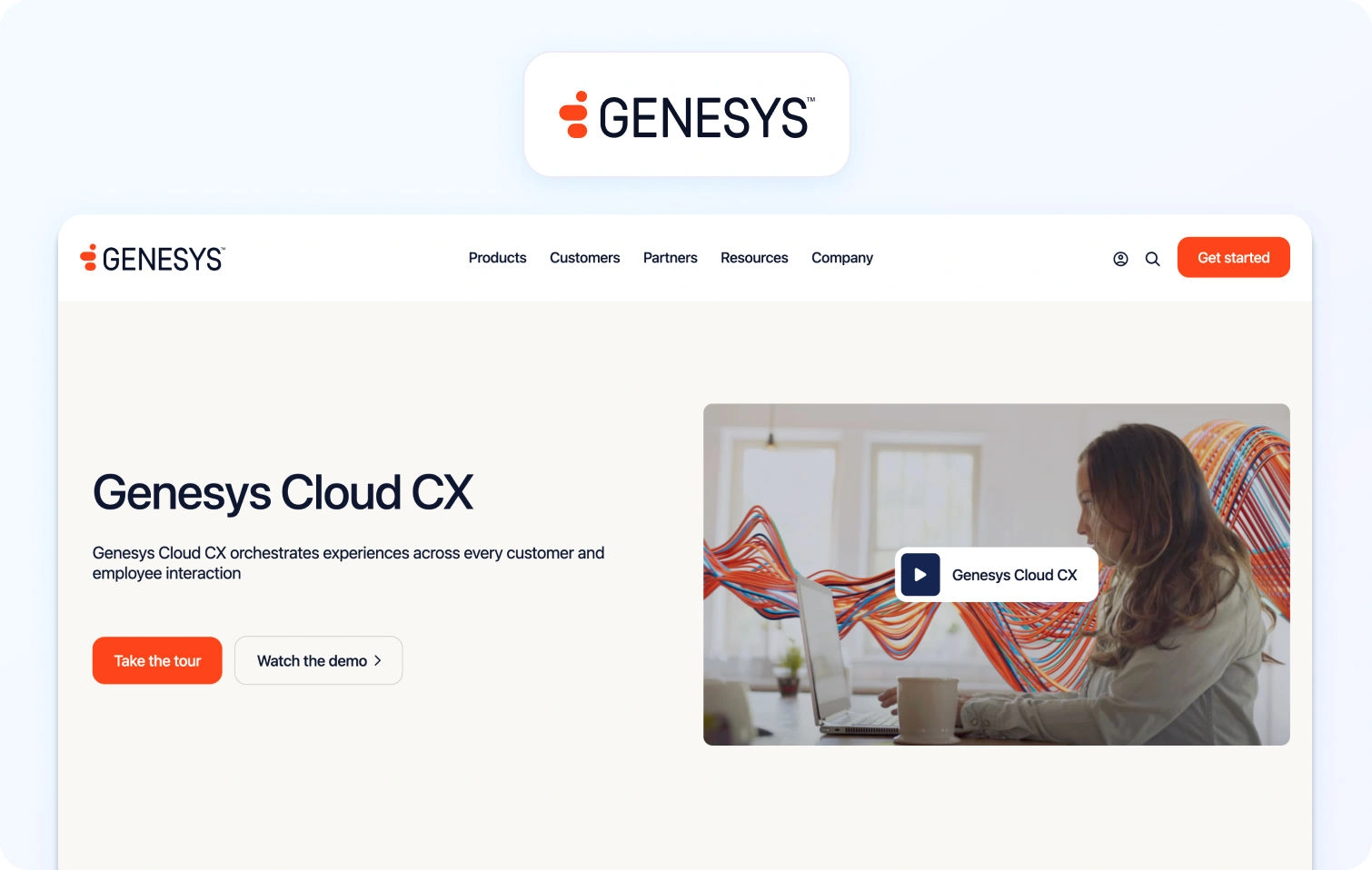
Genesys Cloud CX is a long-standing leader in the CCaaS space, known for its enterprise-grade routing, scalability, and deep contact center functionality. It’s particularly strong in complex, high-volume environments.
Best for: Large telecom enterprises needing advanced routing and global-scale contact center operations.
Telecom fit: Well-suited to telecoms with complex queue structures, high call volumes, and distributed teams.
Channels/voice: Strong voice capabilities with omnichannel support across digital channels.
AI/automation: Offers AI-driven routing, virtual agents, and predictive engagement (Verify by plan).
Ops/WFM: Advanced workforce engagement management, including forecasting and quality assurance.
Pricing note: Starts from £52.50/user/month for voice-only, but digital channels, WFM, analytics, and many AI capabilities are only available in higher tiers or as add-ons, depending on plan; verify for details.
NICE CXone
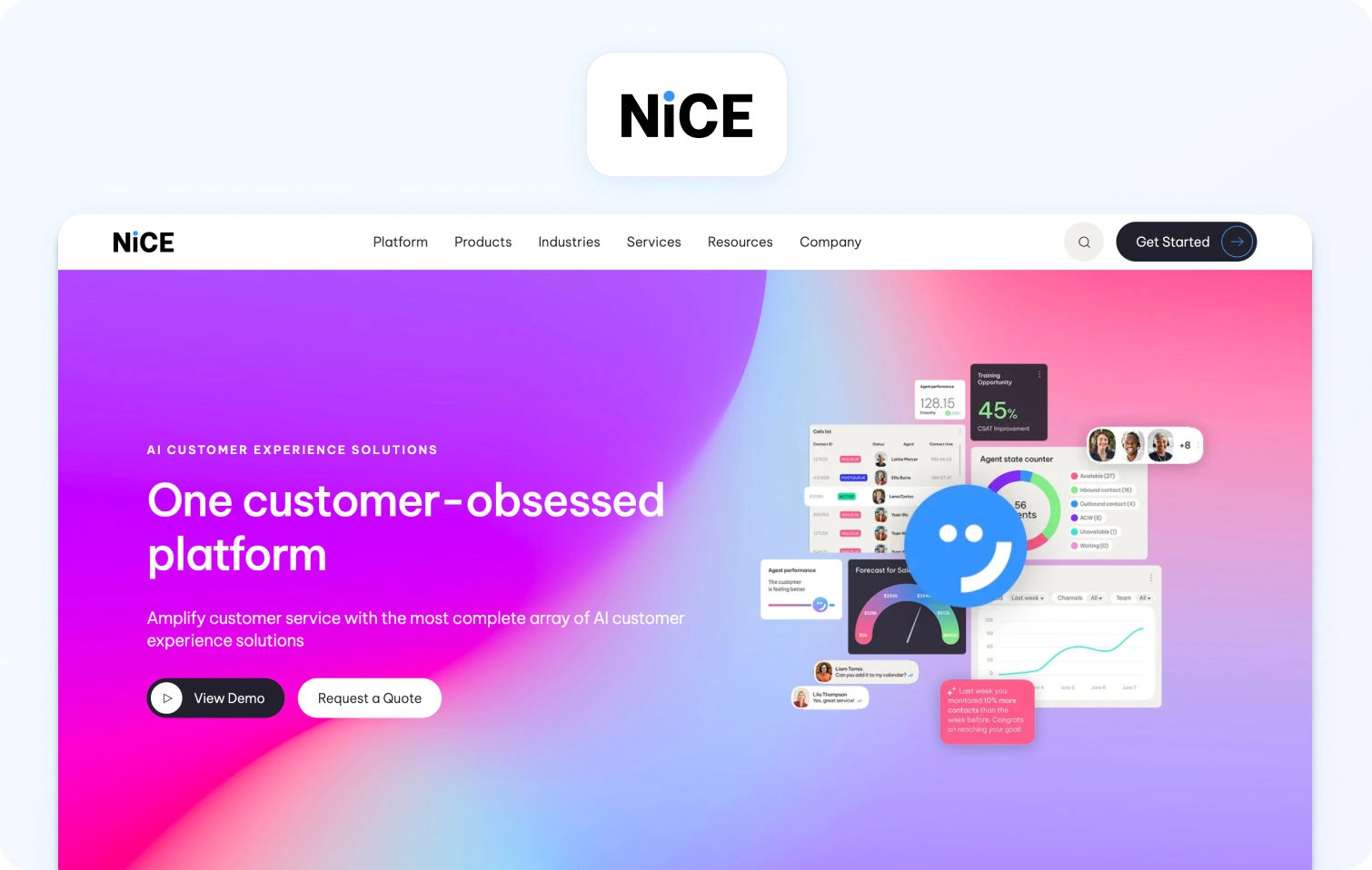
NICE CXone is an enterprise CCaaS platform with a strong reputation for workforce management and operational depth. It’s designed for organizations where performance optimization is as important as customer experience.
Best for: Telecom providers prioritizing workforce optimization and quality management at scale.
Telecom fit: Strong fit for large, structured support environments with strict SLA and compliance requirements.
Channels/voice: Omnichannel support, including robust voice capabilities.
AI/automation: AI-powered automation, analytics, and agent assist tools (Verify by module).
Ops/WFM: Industry-leading WFM and QA capabilities with deep analytics.
Pricing note: Modular pricing structure where WFM, analytics, and AI capabilities are typically packaged as separate modules or add-ons, depending on deployment; verify for details.
Five9
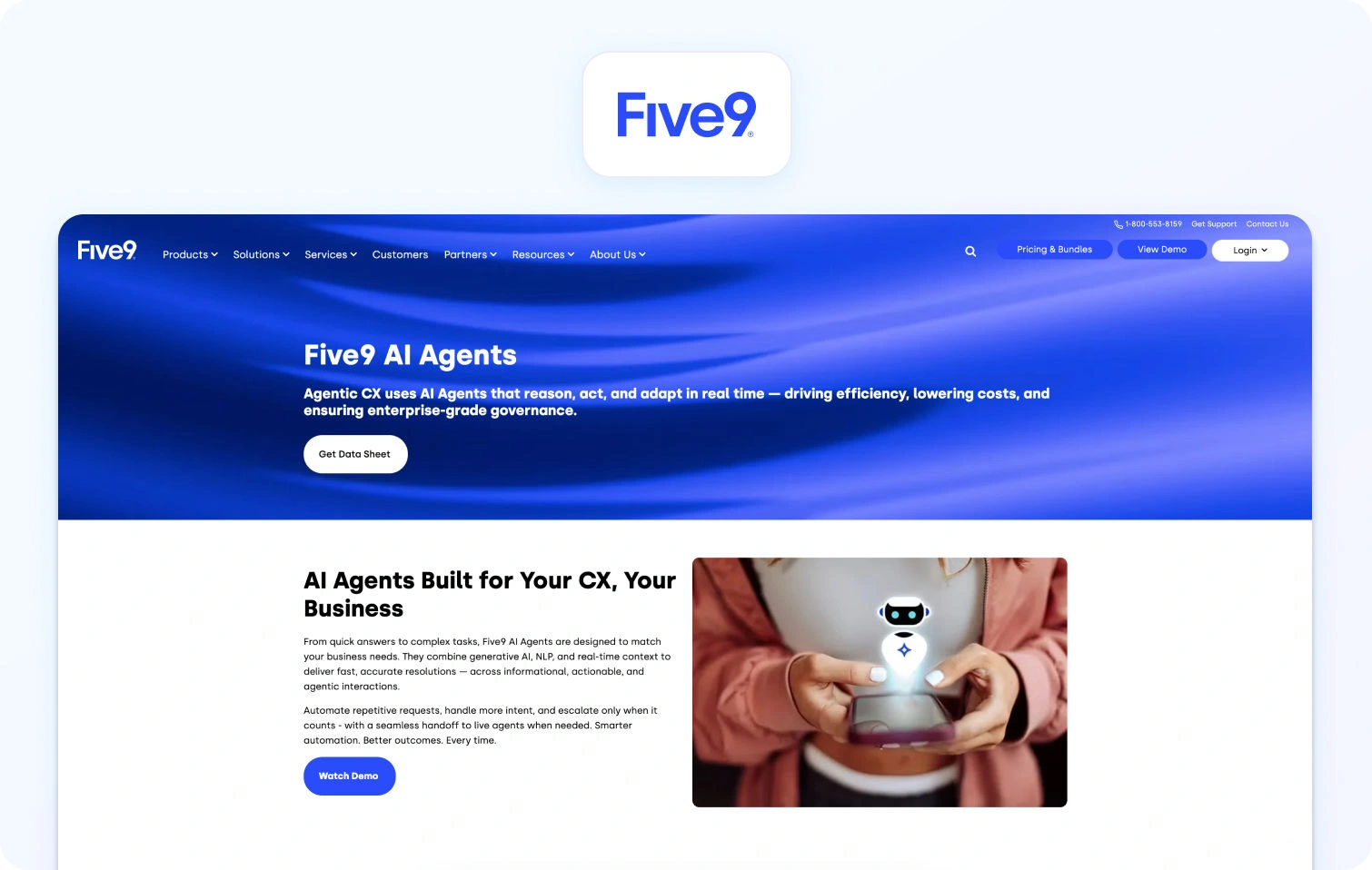
Five9 is a cloud contact center platform known for its IVR, routing, and outbound capabilities. It’s widely used in high-volume service environments.
Best for: Telecom teams focused on optimizing call routing and IVR experiences.
Telecom fit: Strong for inbound/outbound call-heavy telecom operations.
Channels/voice: Voice-first platform with additional digital channels supported.
AI/automation: Intelligent virtual agents and workflow automation available (Verify by plan).
Ops/WFM: Includes analytics and WFM features, though depth may vary.
Pricing note: Typically seat- and usage-based, with advanced automation, AI, and workforce optimization capabilities often priced separately or bundled into higher tiers; verify for details.
Zendesk
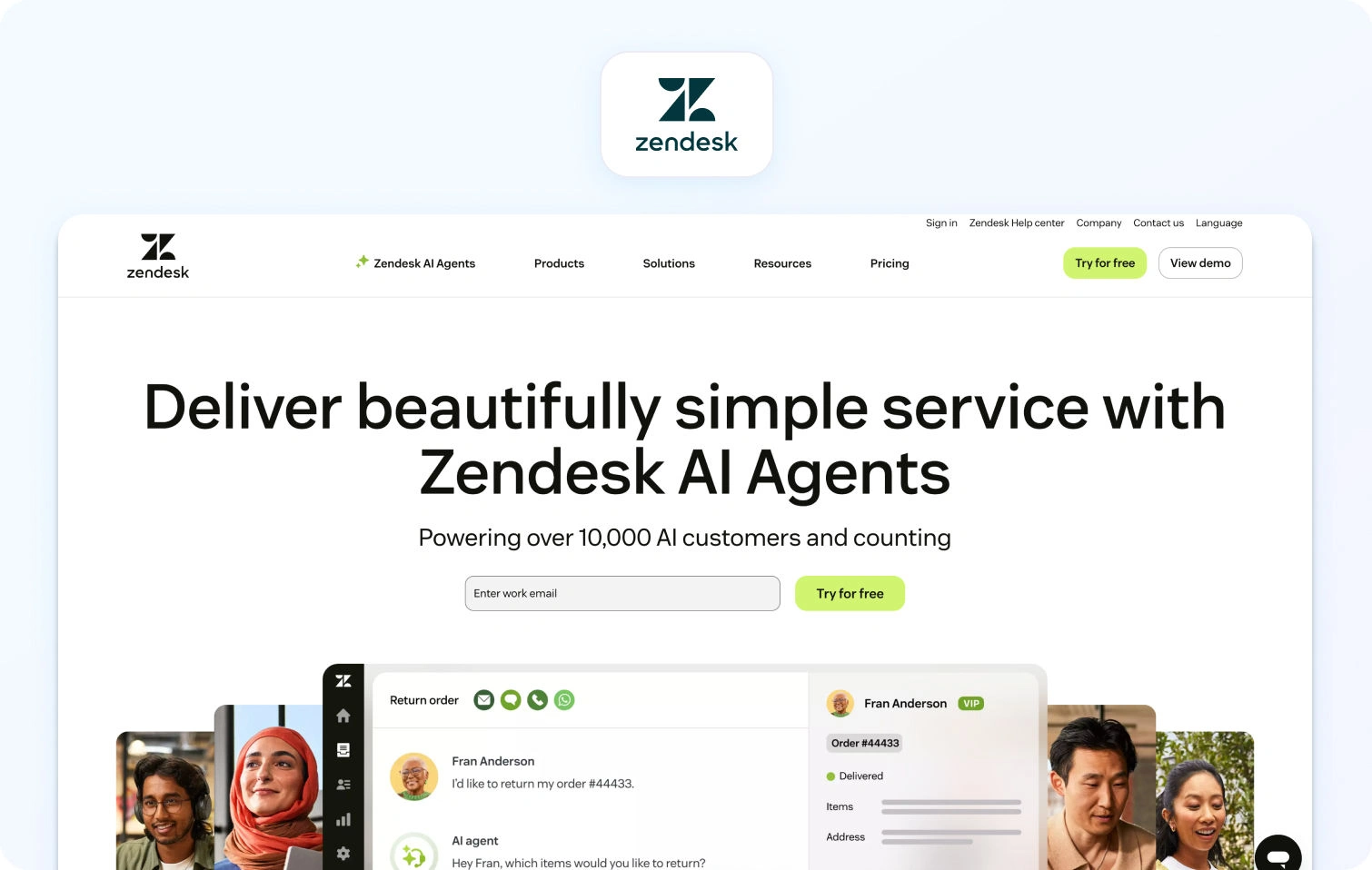
Zendesk is a widely adopted, ticketing-first platform with a large ecosystem of integrations. It’s often used as a flexible foundation for customer support operations.
Best for: Telecom teams wanting a flexible, extensible support platform with strong ticketing capabilities.
Telecom fit: Suitable for telecoms with moderate complexity; deeper telecom workflows may require customization.
Channels/voice: Omnichannel support; voice and advanced channels often require add-ons or higher-tier plans.
AI/automation: AI features like bots and suggested replies are typically available in premium tiers.
Ops/WFM: Reporting included; WFM usually requires integrations or additional tools.
Pricing note: Starts at lower per-agent tiers, but core capabilities like AI, voice, and advanced automation are frequently gated behind higher plans or add-ons, increasing as you scale; verify for details.
ServiceNow CSM
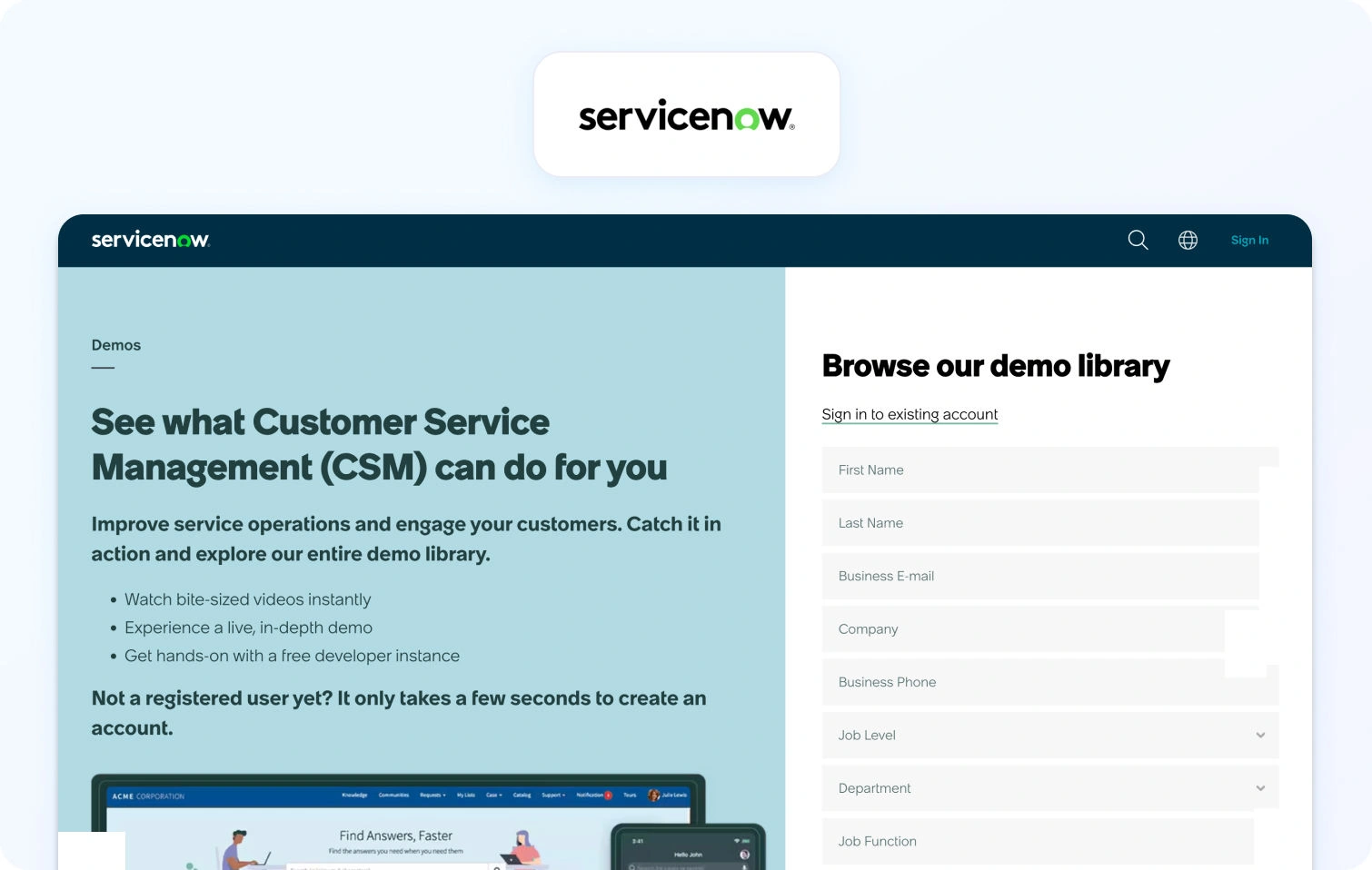
ServiceNow Customer Service Management is designed for enterprise service operations, connecting customer support with backend workflows and systems.
Best for: Telecom enterprises with complex service operations and cross-department workflows.
Telecom fit: Strong fit for managing structured processes like provisioning, billing disputes, and escalations.
Channels/voice: Digital channels supported; voice typically handled via integrations.
AI/automation: Workflow automation and AI capabilities embedded across the platform (Verify).
Ops/WFM: Strong operational visibility and process management.
Pricing note: Enterprise pricing model where capabilities such as advanced automation, AI, and integrations are often licensed separately or customized per deployment; verify for details.
Salesforce Service Cloud
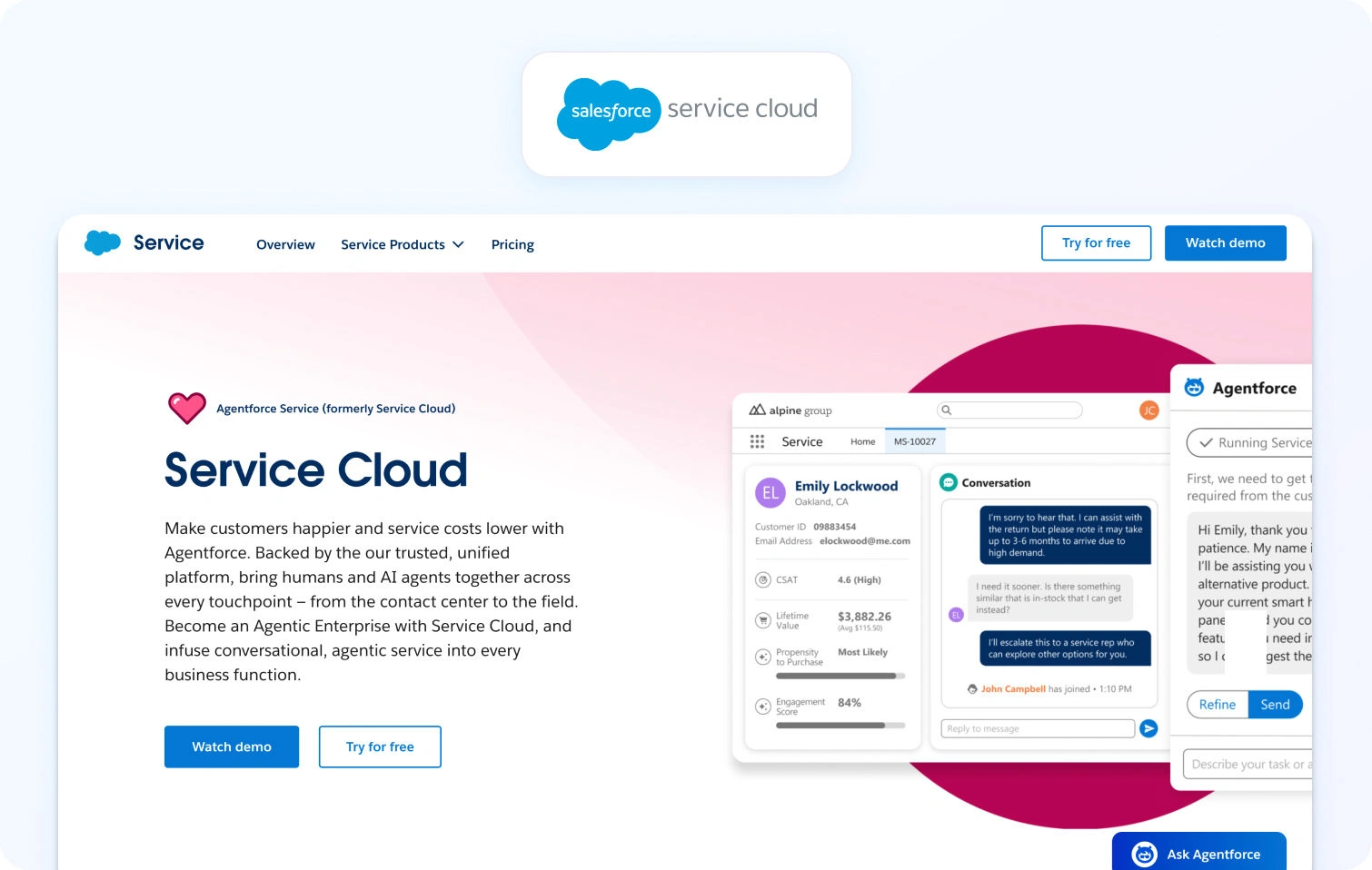
Salesforce Service Cloud combines customer support with CRM data, making it a powerful option for organizations already embedded in the Salesforce ecosystem.
Best for: Telecom companies leveraging Salesforce for customer data and lifecycle management.
Telecom fit: Good fit where support is tightly linked to sales, billing, and account management.
Channels/voice: Omnichannel capabilities, but voice typically requires Service Cloud Voice as an additional product.
AI/automation: Einstein AI provides automation and agent assistance (Verify by edition).
Ops/WFM: Reporting included; advanced WFM often requires add-ons or integrations.
Pricing note: Per-user pricing by edition, but key capabilities like voice, AI, and advanced analytics are often separate add-ons; verify for details.
Talkdesk
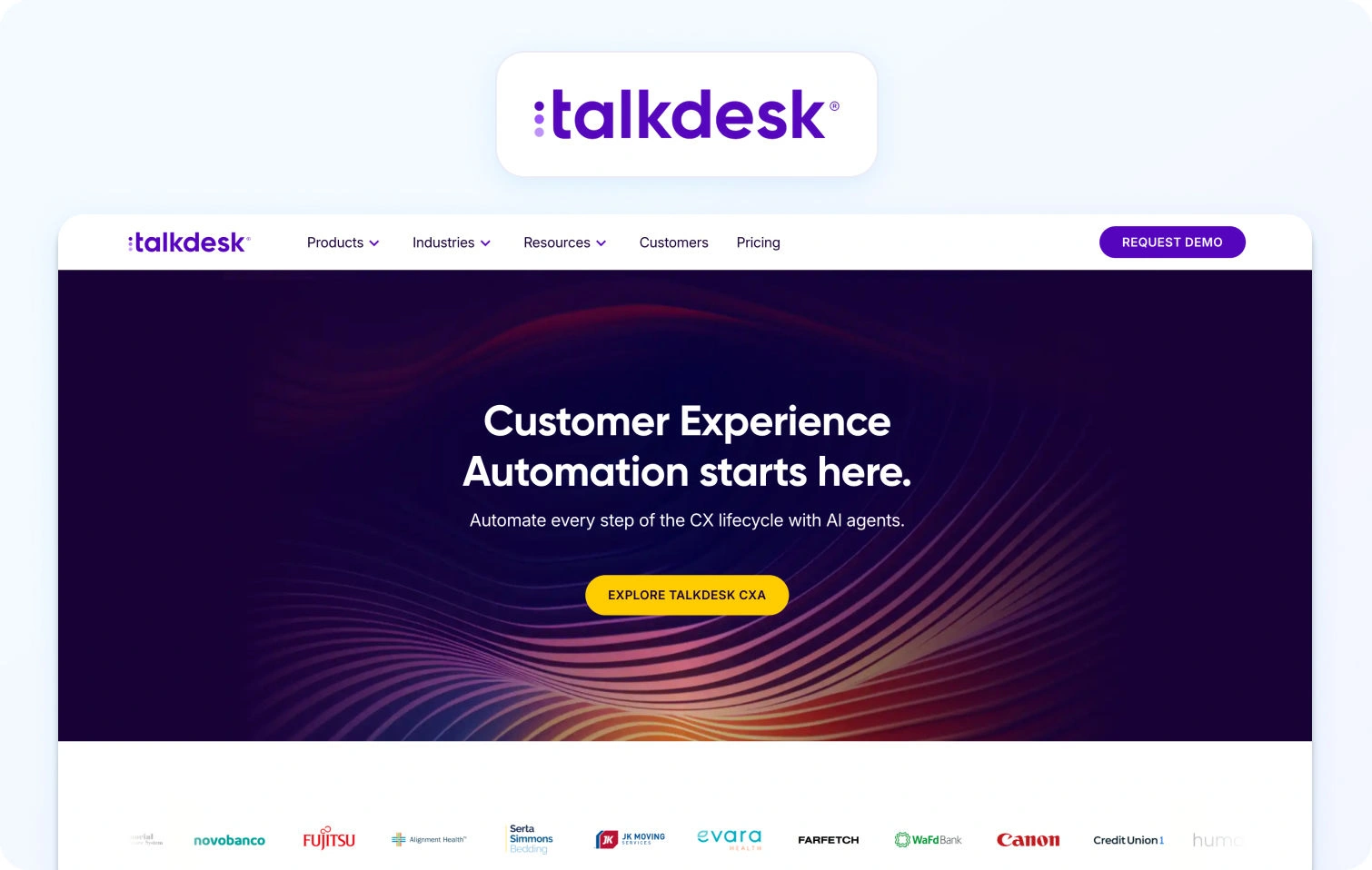
Talkdesk is a modern CCaaS platform focused on usability, integrations, and rapid deployment.
Best for: Telecom teams looking for a balance between enterprise capability and ease of implementation.
Telecom fit: Suitable for mid-to-large telecom teams needing flexibility without heavy customization.
Channels/voice: Strong voice capabilities with omnichannel support.
AI/automation: AI-powered automation and virtual agents available (Verify by package).
Ops/WFM: Includes analytics and workforce engagement tools.
Pricing note: Packaged pricing tiers, but advanced AI, automation, and workforce tools may be bundled into higher tiers or offered as add-ons; verify for details.
Freshdesk
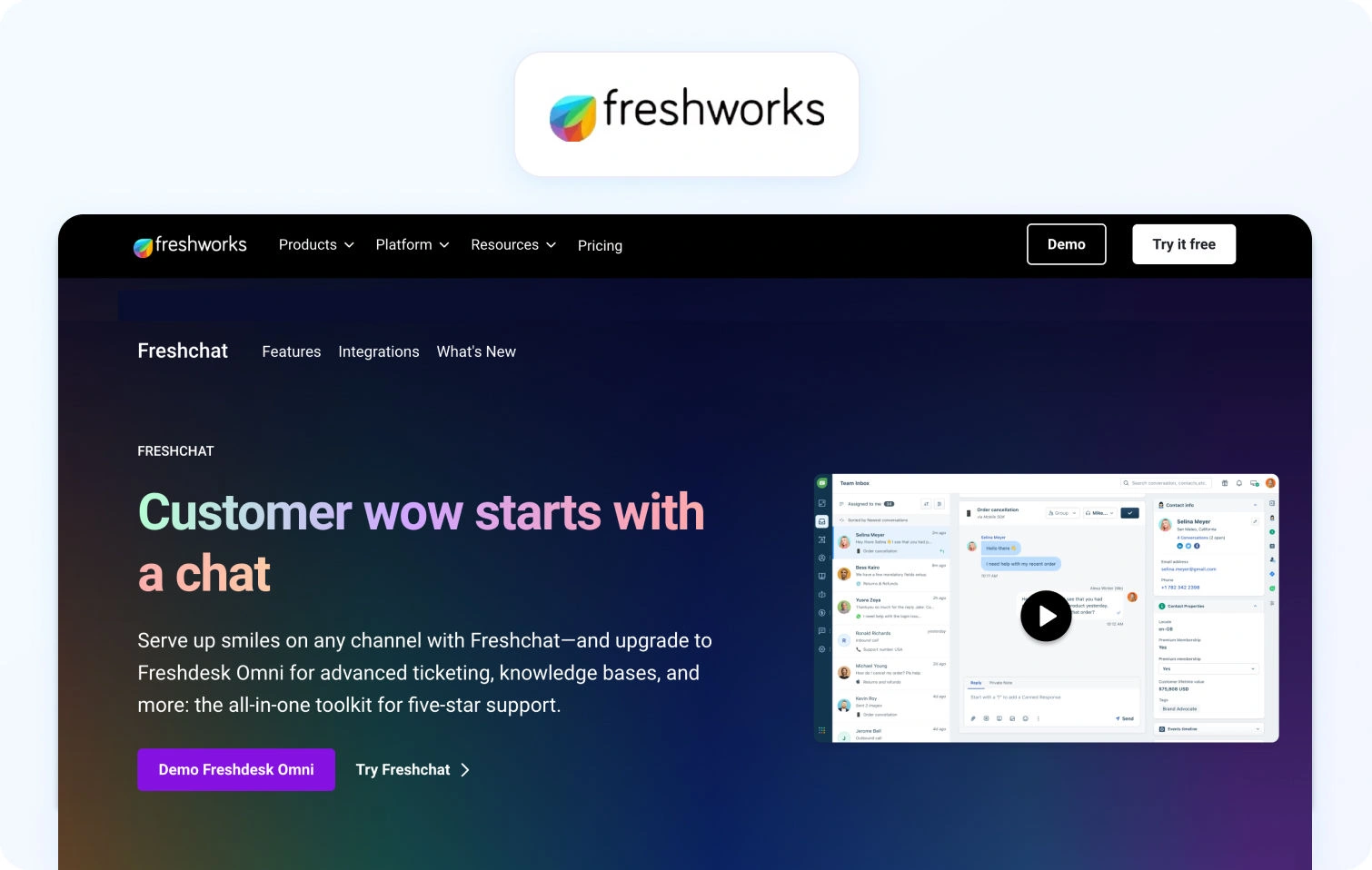
Freshdesk is an approachable help desk platform known for ease of use and quick setup, often favored by smaller or growing teams.
Best for: Smaller telecom providers or teams prioritizing simplicity and fast onboarding.
Telecom fit: Suitable for lower-complexity environments; may require upgrades for advanced telecom use cases.
Channels/voice: Omnichannel support available, but voice and advanced channel support depend on plan tier.
AI/automation: Freddy AI is available in higher tiers.
Ops/WFM: Basic reporting included; advanced capabilities limited.
Pricing note: Freemium entry point, but AI, automation, and advanced support capabilities are typically only available in higher-tier plans; verify for details.
Intercom
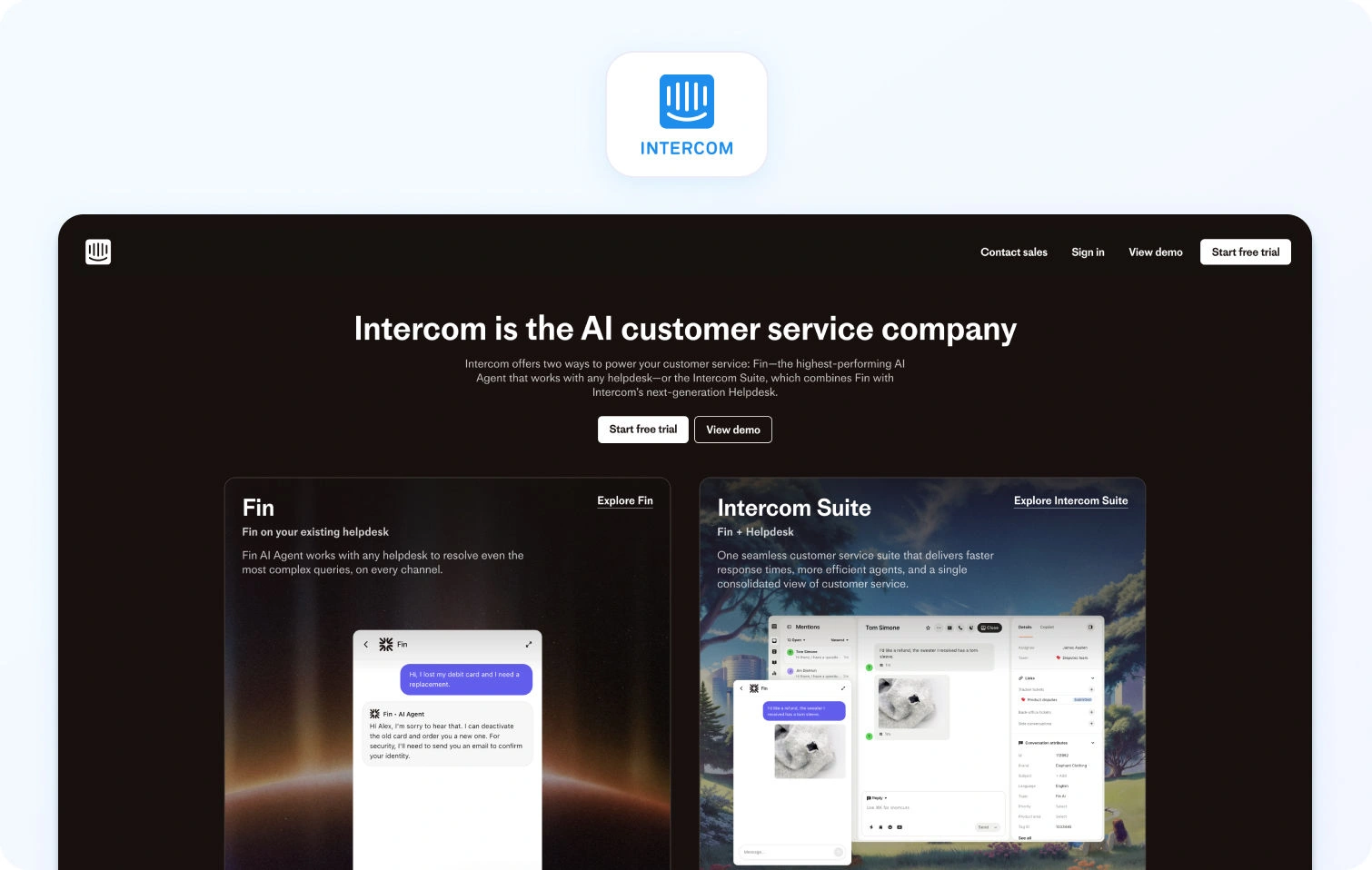
Intercom is a messenger-first platform focused on conversational support and proactive engagement.
Best for: Telecom teams prioritizing chat-led, proactive customer engagement.
Telecom fit: Better suited for digital-first telecom brands rather than call-heavy environments.
Channels/voice: Strong chat capabilities; voice is typically handled via integrations.
AI/automation: AI chatbot and automation tools available (Verify).
Ops/WFM: Reporting available; limited native WFM.
Pricing note: Modular pricing where core messaging is supplemented by add-ons for AI, automation, and advanced functionality, leading to variable total cost; verify for details.
Why This Matters: The Reality Behind Pricing Models
What becomes clear across these platforms is a consistent pattern: the headline price is rarely the true cost. While many vendors position their entry-level pricing as accessible, the capabilities telecom teams actually rely on (such as omnichannel support, AI-driven automation, and workforce management) are often not included as standard.
Instead, these features are typically introduced through higher-tier plans or layered on as additional modules. As a result, what begins as a seemingly straightforward investment can quickly expand as requirements evolve. For telecom providers operating at scale, where multiple channels, high interaction volumes, and operational complexity are the norm, this can significantly increase the total cost of ownership over time.
This is where differentiation in pricing philosophy becomes important. Some platforms are designed around modular expansion, while others, like BlueTweak, aim to deliver a more unified, all-in-one approach from the outset. For buyers, the key consideration is not just what a platform can do, but how predictably and efficiently it delivers those capabilities as your support operation grows.
Core Telecom Use Cases

Telecom support is not a generic function. It sits at the intersection of infrastructure, billing, compliance, and customer experience, which means the underlying software must support a wide range of high-stakes, high-volume scenarios.
Rather than thinking in terms of features, it’s more useful to look at the real-world use cases your platform needs to handle day in, day out, and how effectively it enables your team to manage them.
- Outage triage and mass routing: When outages hit, support demand spikes instantly. The right platform allows teams to triage by severity, automatically route customers into the appropriate queues, and deploy proactive messaging that reduces inbound volume before it overwhelms agents.
- Billing queries and plan changes: Billing remains one of the most common and sensitive support interactions. Telecom teams need structured workflows, approval layers, and secure data handling to ensure changes are processed accurately and compliantly, without adding friction.
- Device troubleshooting: From connectivity issues to configuration problems, device support requires consistency. Knowledge-base-guided workflows and AI-assisted responses help agents diagnose and resolve issues faster, while maintaining a standardized approach.
- Number porting and activation: These processes involve multiple systems and status dependencies. Effective case management, combined with clear status tracking and proactive updates, is essential to prevent delays and reduce repeat contacts.
- Fraud and SIM swap reporting: These are high-priority, high-risk interactions. Platforms must support rapid escalation, clear audit trails, and strict access controls to ensure both speed and compliance in handling sensitive cases.
- Multilingual customer support: Telecom providers often operate across multiple regions and languages. Real-time translation and localized knowledge bases enable teams to deliver consistent support without requiring fully native-speaking agent coverage in every market.
- Improving agent efficiency: With interaction volumes continuing to rise, efficiency gains are critical. Features such as AI-generated summaries and next-best reply suggestions reduce after-call work and help agents focus on resolving issues, not documenting them.
Taken together, these use cases highlight a broader truth: telecom support software must handle more than conversations; it must actively orchestrate complex service operations at scale.
What to Look For in Telecom Customer Service Software

Once you understand the core use cases, the next step is translating them into a clear set of evaluation criteria. Choosing the right telecom customer service software is about assessing how well a platform supports the operational realities of your team, especially under pressure.
- Voice and omnichannel continuity: Telecom support still relies heavily on voice, but it cannot exist in isolation. Look for platforms that connect voice interactions with tickets and digital conversations, ensuring agents have full context before, during, and after every interaction.
- Outage and surge management: Not all platforms are built for volatility. Priority routing, templated responses, and real-time operational dashboards are essential for maintaining control during spikes in demand.
- AI with meaningful guardrails: AI is only valuable if it is accurate and trustworthy. The strongest platforms ground automation in your knowledge base, enabling reliable summaries, suggested replies, and translations that reflect your actual processes.
- Knowledge base governance: A knowledge base is only as useful as it is consistent. Version control, approval workflows, and structured content management ensure that agents and AI alike are working from a single source of truth.
- Operational depth: Telecom support requires more than surface-level reporting. Look for robust analytics, workforce management, quality assurance tooling, and SLA tracking to maintain performance at scale.
- Security and administrative control: Given the sensitivity of telecom data, platforms must offer enterprise-grade security. This includes multi-factor authentication, audit logs, granular permissions, and clear data governance controls.
- Integration flexibility: Support teams don’t operate in isolation. Your platform should integrate seamlessly with CRM systems, billing platforms, network status tools, identity providers, and BI solutions to create a unified operational view.
- Pricing transparency: Finally, it’s important to understand not just the entry price, but how costs scale. Platforms that rely heavily on add-ons can quickly become expensive as you expand into voice, AI, or advanced analytics.
Ultimately, the goal is to find a platform that aligns with how your team already works and improves it, rather than forcing operational compromises.
How We Evaluated Customer Service Software
With a crowded market and overlapping feature sets, evaluating telecom support platforms requires a consistent and transparent methodology.
For this guide, we focused exclusively on vendor-published product, pricing, and documentation pages, avoiding third-party review sites to ensure all claims are verifiable and up to date. Each platform was assessed across the areas that matter most to telecom teams, including channel support and voice capabilities, AI and automation, knowledge base functionality, analytics and workforce management, security controls, and integration flexibility.
Where pricing information was publicly available, it has been referenced. In cases where details were unclear or dependent on configuration, we have indicated this with “verify”.
This approach ensures that comparisons are grounded in what vendors actually offer, not assumptions or aggregated ratings.
Must-Have Capability Checklist
While every telecom provider has slightly different requirements, there are certain capabilities that consistently separate high-performing support teams from the rest.
- Commerce and subscription integrations: Support for billing systems, subscriptions, and multi-account structures is critical for handling real-world telecom queries effectively.
- Routing and SLA automation: Automated routing, prioritization, and SLA management ensure that the most urgent issues are handled first, without manual intervention.
- AI-assisted workflows: Summaries and suggested replies, ideally grounded in your knowledge base, help reduce handling time while maintaining accuracy.
- Self-service and deflection: Bots and help center experiences that can resolve common queries, such as billing questions or service status, reduce pressure on agents.
- Operational visibility and planning: Analytics dashboards, workforce management, and quality assurance tooling enable teams to plan for peak demand and continuously improve performance.
- Security and compliance controls: Role-based access, audit logs, and data protection measures are essential for maintaining trust and meeting regulatory requirements.
- Integration and extensibility: APIs and native integrations allow your support platform to connect with the broader telecom ecosystem, from network systems to customer data platforms.
- Transparent pricing models: Clear, predictable pricing ensures that growth in usage or capability does not lead to unexpected cost increases.
- Customer feedback and sentiment tracking: Understanding how customers feel about their support experience provides a critical feedback loop for continuous improvement.
Scoring Rubric
To ensure consistency across vendors, each platform was evaluated against a set of core criteria that reflect both capability and commercial viability.
We assessed how well each tool supports omnichannel engagement, including voice where required, alongside the breadth of its automation capabilities, from routing to workflow management. AI functionality was evaluated based on coverage, multilingual support, and whether it is grounded in a knowledge base.
We also considered how effectively each platform enables self-service and deflection, as well as the depth of its operational tooling, including analytics, workforce management, and quality assurance. Beyond functionality, we looked at time-to-value, total cost of ownership over a 12-month period, and the strength of security and administrative controls.
This balanced approach ensures that recommendations reflect not just what a platform can do, but how well it performs in a real telecom environment.
Final Thoughts: Choosing Telecom Customer Service Software That Scales With You
Selecting the right telecom customer service software today is a strategic investment in how your business delivers service, builds trust, and retains customers in an increasingly competitive market.
Today’s telecom call center environment is defined by complexity. Customers expect instant, personalized service across every channel, from voice to SMS to web chat, while support teams must manage high volumes, sensitive information, and increasingly complex issues. This is where modern, cloud-based call center software becomes essential, not just to handle interactions, but to connect systems, departments, and data into one complete, unified experience.
The most effective platforms go beyond basic ticketing or routing. They create a foundation where AI agents and human call center agents work together, using shared context to resolve customer issues quickly and accurately. Features like smart routing, AI-powered summaries, and omnichannel routing are essential to improving productivity, increasing first call resolution, and delivering consistent customer experiences at scale.
At the same time, pricing structure and operational design matter just as much as functionality. A solution that appears cost-effective upfront can quickly become fragmented if key capabilities are locked behind add-ons. For telecom teams, this often leads to disconnected workflows, reduced visibility, and slower time-to-value. The platforms that stand out in 2026 are those that deliver a complete, cloud-based AI platform from day one, helping businesses create better customer experiences without unnecessary complexity.
If you’re looking for a solution that brings together omnichannel support, AI-driven efficiency, and operational control in one place, it may be time to take the next step.
Request a demo to see how BlueTweak can help you create better customer experiences, improve productivity, and power your telecom support operation with confidence.

As Head of Digital Transformation, Radu looks over multiple departments across the company, providing visibility over what happens in product, and what are the needs of customers. With more than 8 years in the Technology era, and part of BlueTweak since the beginning, Radu shifted from a developer (addressing end-customer needs) to a more business oriented role, to have an influence and touch base with people who use the actual technology.



