



TL;DR
Choosing between Twilio Flex, Zendesk, or BlueTweak in 2026 comes down to how your contact center handles customer conversations, supports agents, and aligns with your broader business goals. Twilio Flex offers maximum flexibility for teams with engineering capacity, Zendesk excels for ticketing-first operations, and BlueTweak provides a unified platform combining voice, chat, analytics, and multi-channel workflows. Running a short pilot can help you see which solution works best in your environment before committing fully.
Zendesk vs Twilio Flex in 2026: What’s Changed in Buyer Expectations?
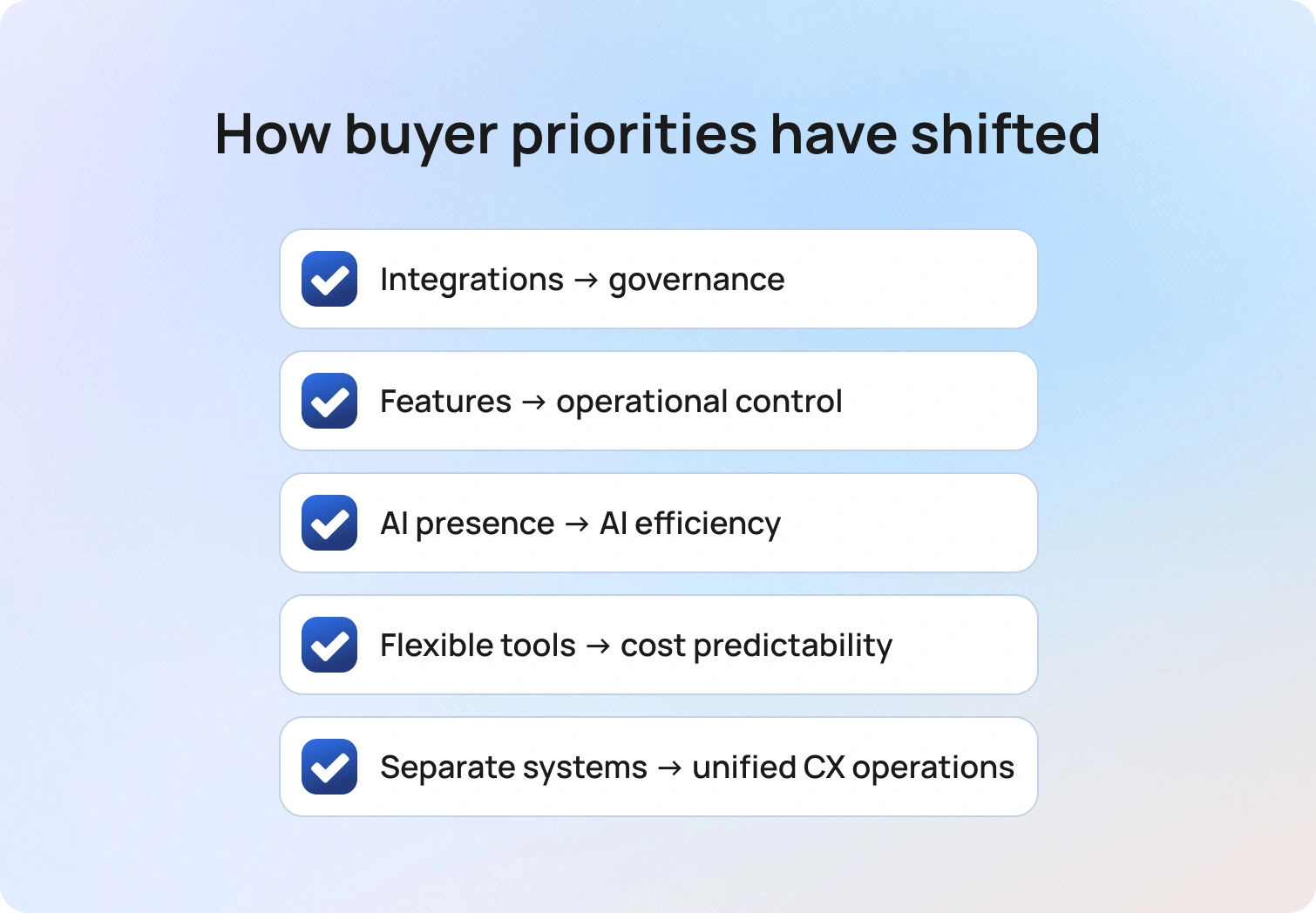
The conversation around Zendesk vs Twilio Flex has shifted significantly in the past few years. In 2023, buyers focused on channels and integrations; in 2026, they are focused on governance, cost predictability, and operational clarity.
According to the Deloitte Digital “Future of Service” report (2026), 43% of surveyed organisations believe AI will enable contact centre cost reductions of 30% or more within the next three years. That expectation changes how platforms are evaluated. Leaders are not simply asking which tool has AI, but which one can deliver measurable efficiency without creating governance risk or unpredictable usage costs. They’re asking how it will improve outcomes for customers without increasing operational risk.
This is why most mid-market teams evaluating Twilio Flex vs Zendesk find themselves at a strategic fork.
Do you adopt a ticketing-first suite and layer voice and automation on top? Do you build a programmable contact centre with engineering ownership? Or do you consolidate into a unified CX operating system designed to reduce system sprawl while maintaining operational control?
In 2026, the right decision is less about feature parity and more about how you want to run your operation over the next five years. For many teams, that means rethinking not just their contact centre, but their broader call center strategy and how voice, messaging, and digital support connect into one coherent operating model. While this discussion is often framed as Twilio Flex vs Zendesk, many teams are also exploring unified platforms, like BlueTweak, that aim to replace both the ticketing-first and build-your-own approaches altogether.
At a Glance: Twilio Flex, Zendesk, and BlueTweak
Before diving deeper into the nuances of Zendesk and Twilio Flex, it helps to step back and look at how each platform positions itself at a high level. This includes newer unified platforms like BlueTweak, which are designed to consolidate multiple systems into a single operating model.
The comparison below summarizes where they differ in operating model, strength, and cost structure, which is often where the real decision is made.
| Category | Zendesk | Twilio Flex | BlueTweak |
|---|---|---|---|
| Who it’s for | Structured support teams | Engineering-led teams | 20–100 agent ops teams |
| Core strength | Mature ticketing workflows | Programmable CCaaS | Unified CX OS |
| Voice | Plan/add-on dependent | Highly customizable | Native & integrated |
| Omnichannel | Strong ticket-led case management | Custom-built orchestration | Unified queue across channels |
| AI | Tier-based AI capabilities | Composable AI stack | KB-grounded, outcome-focused AI |
| KB / Self-Service | Mature Help Center | Integration-led knowledge layer | Single-source, multi-brand KB |
| WFM / QA | Add-ons or partners (plan dependent) | Integration-led / custom | Built-in operations layer |
| Security / Admin | Plan-based controls | Architecture-driven governance | Ops-focused governance model |
| Pricing note | Varies by plan / Verify | Usage-based / Verify | €65 per agent/month (full stack) |
What Each Platform Is (and What It’s Not)
Before comparing features, it’s important to understand the operating philosophy behind each platform. In the Zendesk vs Twilio Flex debate, the differences start with what each system was originally designed to do… and what it was not.
Zendesk
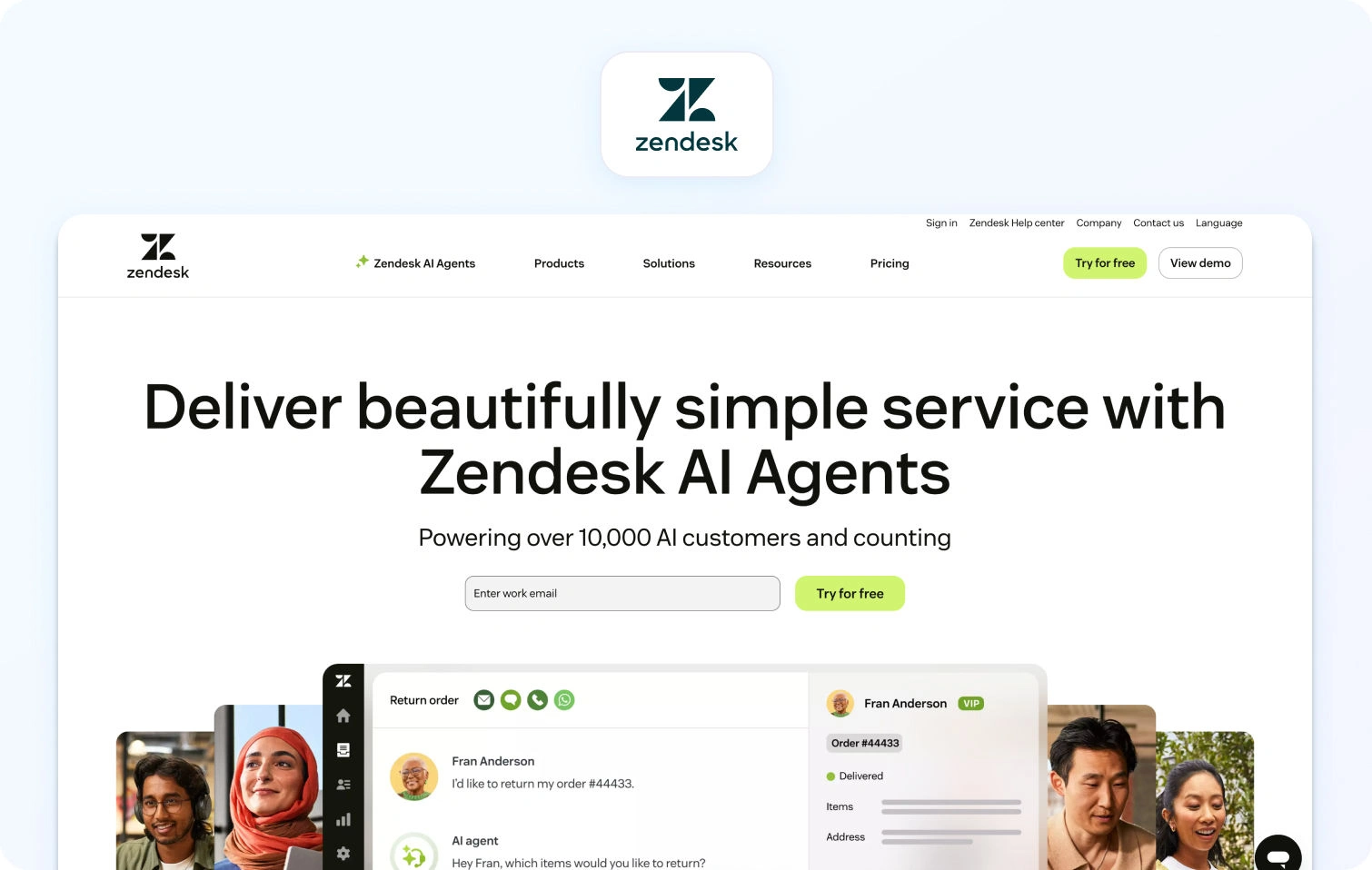
Zendesk started as a help desk platform, and its strength remains structured ticket workflows, SLA management, and Help Center publishing. It is particularly effective for teams whose support model is built around case resolution and escalation patterns. Voice capabilities can be layered in, but depth and flexibility depend on plan level and configuration choices.
Zendesk is not inherently a programmable contact center. While it integrates widely and offers AI features, buyers must confirm what is included at their chosen tier, especially around voice, WFM, and AI automation.
Twilio Flex

In contrast, Twilio Flex was never built as a ticketing suite. It was designed as a programmable communications platform that can become whatever your architecture requires.
Twilio Flex is fundamentally different. It is a programmable contact center platform that allows teams to design their own routing logic, agent desktop, and workflows. For organisations with engineering resources, this provides significant flexibility and architectural control.
However, Flex assumes technical ownership. Knowledge bases, analytics layers, and advanced automation often require integrations or custom development. It excels when you want to build your own experience, not when you want an out-of-the-box operating system.
BlueTweak

BlueTweak enters the conversation from a different angle. Rather than starting with a standalone ticketing system or heavy programmability, it starts with operational consolidation.
BlueTweak is positioned as a unified CX operating system and end-to-end customer service solution for mid-market operations. Rather than assembling components, it combines voice,omnichannel customer support case management, bots, WFM, QA, and analytics into a single workspace.
The focus is on operational clarity: one queue, shared reporting aligned to core customer support metrics, knowledge-grounded AI, such as AI proposed replies and built-in call transcription software, and multi-brand routing within the same admin model. It is not a developer toolkit; it is designed for operations leaders who want to reduce system sprawl while maintaining governance.
Feature-by-Feature Comparison
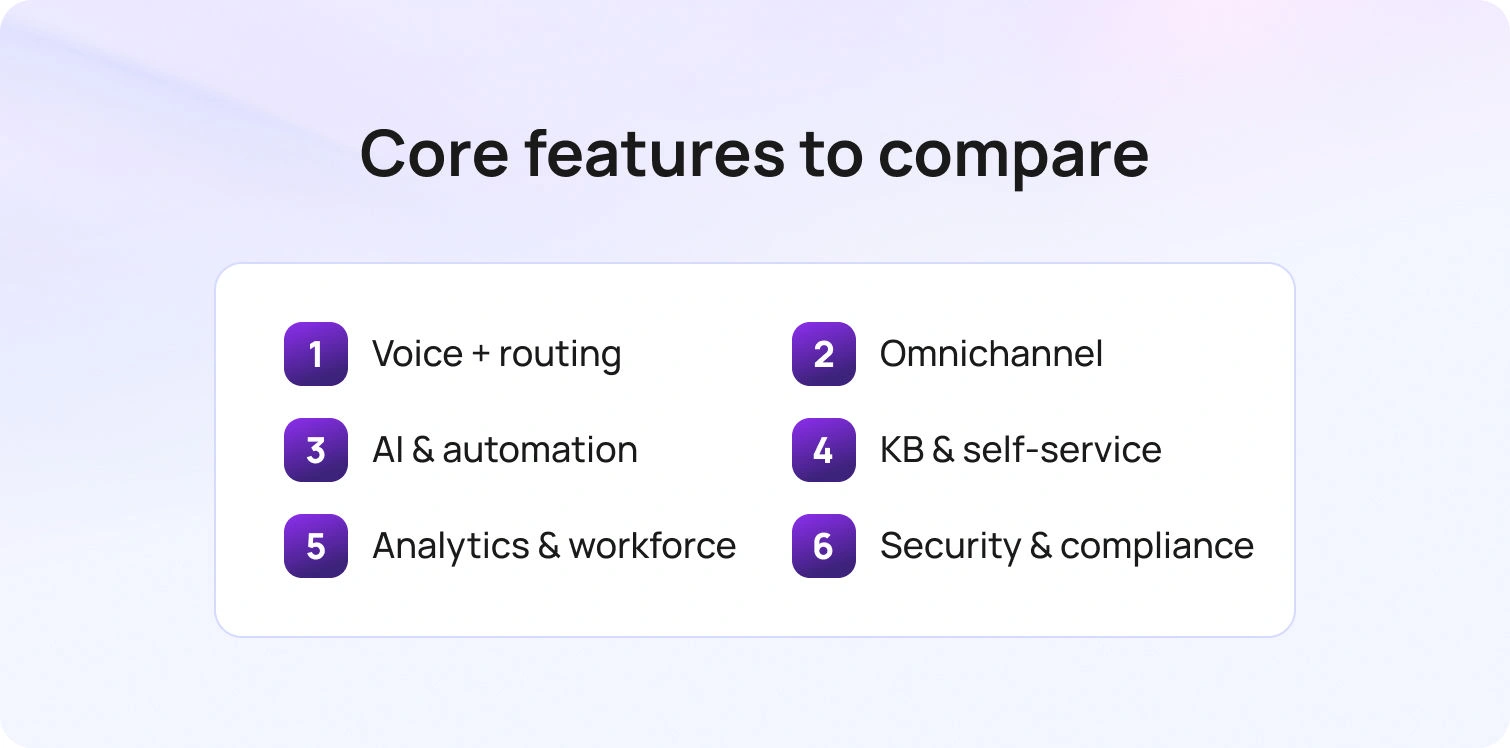
When people compare Twilio Flex to Zendesk, or bring alternatives like BlueTweak into the conversation, the real questions usually surface once you get past positioning and into the day-to-day reality: What will agents actually use? How complex will routing become? And how much admin work sits behind the scenes to keep everything running smoothly?
This is where operating philosophy translates into day-to-day agent experience and administrative complexity in practical ways, like workflows, reporting, governance, and the overall operational load on your team.
Voice + Routing
Voice architecture is often where a decision between Twilio and BlueTweak becomes tangible. The differences shape how calls flow, how agents work, and how much control your team really has.
Twilio Flex is built for programmability. Teams can design routing logic, queues, and agent interfaces around highly specific operational needs. That flexibility is powerful, but it assumes engineering ownership and ongoing technical management. It also means the end user experience, both for agents and supervisors, depends heavily on how well the environment is configured.
Zendesk approaches voice from a suite perspective. Voice functionality can support blended support teams and integrate into ticket workflows, but depth and configuration vary by plan and add-ons. It works well when voice is important, but not the architectural centre of your customer experience (CX) operation. However, forecasting call volumes and reducing customer waiting times may require additional configuration depending on your setup.
BlueTweak integrates native voice directly into the same agent workspace and ticket record. Routing, multilingual support, and handoffs between brands sit within one operational layer. This makes it easier to direct each interaction to the right agent without adding complex routing logic. For teams focused on clarity and speed rather than custom build complexity, this can significantly reduce friction.
Omnichannel Case Management
When evaluating vendors, remember, omnichannel isn’t just about how many channels are supported. It’s about how interactions are orchestrated and how much context agents retain across conversations.
Twilio Flex allows you to design a fully customised omnichannel desktop. You can orchestrate flows across voice, messaging, and digital channels using integrations and bespoke logic. This often includes connecting website chat, social messaging, and backend systems into one orchestrated workflow. The trade-off is that orchestration has to be built and maintained; it gives you the tools, but you have to decide how everything fits together.
Zendesk approaches omnichannel through a ticket-first lens. Every interaction becomes part of a structured case workflow, complete with SLAs, escalation rules, and collaboration patterns. This suits teams that rely on formalised support processes and documented resolution paths.
BlueTweak centres on a unified queue across channels, designed to keep context intact without forcing agents to switch systems. Multi-brand routing and reporting are built into the same environment, which can reduce operational noise in growing teams.
AI, Automation & Deflection
AI has become central to the Twilio Flex vs Zendesk conversation, but the real differentiator in 2026 is governance and measurable impact, not novelty.
Twilio Flex typically follows a composable AI model. You combine Twilio capabilities, third-party tools, and your own workflows to create automation. This offers flexibility, but it increases implementation effort and governance responsibility.
Zendesk provides AI features suited to ticket-led environments, including automation and assistance capabilities that vary by tier. For many teams, it delivers incremental efficiency gains, but buyers should confirm exactly what’s included around summaries, suggested replies, and routing intelligence.
BlueTweak focuses on knowledge-grounded assistance and outcome-driven automation. AI is embedded into the same operational layer as voice, tickets, and reporting, with an emphasis on human oversight. The focus isn’t just on automation, but consistent, auditable workload reduction. That consistency ultimately improves response quality for customers across every channel.
KB & Self-Service
Knowledge strategy often becomes the quiet driver of deflection, agent speed, and AI quality.
Twilio Flex generally relies on integrated knowledge bases and bot layers. This provides architectural freedom, but it means self-service and agent assistance often live across multiple systems.
Zendesk offers a mature Help Center and publishing workflow that supports structured content operations. For organisations investing heavily in deflection through articles and self-service portals, this ecosystem is well established. It allows customers to resolve common issues independently before reaching an agent
BlueTweak positions its knowledge base as a single source of truth powering both bots and agent assistance. In multi-brand environments, keeping content, routing, and reporting aligned inside one system can simplify both governance and performance tracking.
Analytics, Workforce Management & Quality Assurance
Reporting and workforce visibility are often underestimated during evaluation. Yet over 12 months, operational insight can matter more than channel breadth.
Twilio Flex can support advanced analytics and workforce management through integrations or custom builds. This allows deep customisation, but each additional layer adds vendor coordination and administrative overhead.
Zendesk delivers strong reporting around ticket metrics and performance KPIs. Workforce management and quality assurance capabilities typically depend on plan-level or partner solutions, so buyers should verify what is native versus add-on.
BlueTweak includes analytics, WFM, and QA within the same operational layer as case management and voice. For 20–100 agent teams, this unified visibility can reduce reconciliation work across systems and simplify forecasting.
Security, Admin & Compliance
As AI adoption increases, governance and auditability are becoming board-level concerns.
Twilio Flex is well-suited for organisations that want security controls aligned to a custom architecture. However, responsibility for compliance design spans all integrated components, meaning oversight must be intentional and ongoing.
Zendesk provides admin and security controls that scale by plan. Features such as MFA, audit logs, and data controls should be confirmed at the appropriate tier, particularly if AI governance is a priority.
BlueTweak focuses on mid-market governance, offering role controls, MFA, and audit logs within a unified admin model. For multi-brand operations, consistent oversight across queues, content, and reporting can reduce compliance complexity.
Pricing & 12-Month TCO Modeling
A serious Zendesk versus Twilio Flex comparison requires modelling the full 12-month cost of running your contact centre, not just comparing seat prices. The headline number rarely reflects the true operational cost once voice minutes, AI usage, analytics, and admin overhead are layered in.
With Zendesk, pricing typically starts with a seat-based model tied to your ticketing system, then expands. Voice (often via Zendesk Talk), advanced AI, workforce management, and deeper analytics features may depend on plan tier or add-ons. If you’re running multiple channels or operating more than one Zendesk instance, clarity around what’s native versus extra becomes critical.
With Twilio Flex, the structure is different. Pricing may combine seat or active user hour models with communications usage, including interactive voice response (IVR), call recording, and messaging. In a Twilio Flex vs Zendesk cost model, Flex can look flexible on paper, but forecasting usage across voice and digital contact volumes requires discipline. The ability to customize your contact center comes with shared responsibility for cost control.
BlueTweak anchors pricing at €65 per agent per month, paying monthly for a fully integrated environment. That includes voice, case management, bots, WFM, and analytics in one system. For business leaders evaluating market options, the question becomes less about the lowest entry cost and more about predictable service spend over 12 months.
Before signing with any company, check the details around:
- Voice minutes, recording, transcription, & interactive voice response charges
- AI usage metering and overage rules
- Sandbox or staging environment fees
- Support tiers and implementation services
- Multi-brand reporting and admin access model
Today, cost transparency is a competitive differentiator. But pricing alone doesn’t determine success; operational fit does. The platform that looks affordable on a pricing page can become expensive if it adds administrative load, integration overhead, or governance complexity over time. That’s why the next step isn’t just comparing numbers, it’s understanding which model aligns with how your contact centre actually runs.
When Each One Fits
At a strategic level, the debate between Twilio Flex and Zendesk often reflects how your business prefers to operate.
Choose Twilio Flex if your goal is to build a highly customized contact center and you have technical ownership in-house. The real strength of Flex lies in how far you’re willing (and able) to customize your environment. It’s particularly suited to organisations that want granular control over routing logic, user interface design, and how customer interactions flow across different channels. If you are comparing Twilio Flex, consider options in the enterprise market. Flex appeals when flexibility and architecture control outweigh simplicity.
Choose Zendesk if you are fundamentally ticketing-first and want a mature ticketing system at the core of your customer support model. Zendesk stands strongest where structured workflows, SLAs, and help content drive service consistency. Many Zendesk customers expand into voice and digital contact over time, often layering Zendesk Talk or additional Zendesk integration tools as their needs grow.
Choose BlueTweak if you want one platform to manage customer conversations across voice, chat, and digital channels without stitching multiple tools together. It’s designed for mid-market teams that want to control operations, unify data, and reduce complexity without building a custom stack. For 20–100 agents, especially across multi-brand environments, consolidation often becomes more valuable than customization.
Implementation Considerations

Implementation effort varies significantly depending on the platform’s philosophy. With Zendesk, you’re typically migrating customer data into a new Zendesk instance, configuring workflows, and refining your Help Center structure. If you’re layering voice or expanding into deeper automation, governance around add-ons and Zendesk integration decisions becomes part of the rollout.
With Twilio Flex, implementation begins with architecture. You define routing, interactive voice response (IVR) logic, and the user interface for agents. You’ll also set up integration layers, for example, a Flex Zendesk integration or data sync if you’re connecting to an existing ticketing system. Additionally, you might need to import customer data from legacy platforms and decide how conversations flow between systems. This approach is highly flexible, but it does require ongoing technical ownership.
With BlueTweak, implementation centres on unifying channels inside a single contact centre environment. That means importing knowledge content, configuring multi-brand routing, aligning dashboards, and ensuring agents can access customer data in one place. That shared visibility helps teams respond to customers faster and with more context. The emphasis is less on building from scratch and more on operational alignment.
The real difference boils down to whether you're assembling solutions or deploying a system designed to manage customer experience end-to-end.
How We Evaluated
This Zendesk vs Twilio Flex comparison is based exclusively on vendor-owned documentation. We reviewed official product pages, pricing details, help centres, integration listings, and public case studies across the market.
We assessed each platform across channels, voice capabilities, interactive voice response options, AI functionality (including transcription and summarisation), knowledge base structure, analytics, workforce management, security controls, and API access. Where Twilio and Zendesk's positioning overlaps, particularly around integration and omnichannel service, we focused on documented capabilities rather than third-party opinion.
We also reviewed public examples of how companies manage customer interactions and conversations using each system.
Final Thoughts: Choosing the Right Contact Center for 2026
When evaluating Twilio Flex, Zendesk, or any alternative contact center, the decision is rarely about features alone. It’s about choosing the call center foundation that will support your customers, agents, and growth strategy over the next several years. It’s about how a platform shapes the day-to-day customer experience, how it lets your agents manage conversations, and how your business can scale operations without adding unnecessary complexity.
A Twilio Flex compare exercise shows that Twilio is powerful for companies that want maximum flexibility and control over routing, interactive voice response, and integrations. It can create highly customised workflows, but doing so often requires ongoing technical ownership and investment in tools to keep everything aligned. For teams without a dedicated engineering function, the risk is that the operational complexity of Twilio Flex outweighs the benefits of its flexibility.
Alternatives like Zendesk focus on structured ticketing systems and predictable workflows, which can streamline customer support and help resolve customer issues quickly. This structure can work well for companies serving high volumes of customers with repeatable queries.
Platforms such as BlueTweak combine voice, chat, analytics, and WFM into a unified environment, enabling companies to manage multiple channels and maintain a high-quality contact experience without juggling disparate tools.
Ultimately, the right choice depends on your company, your employees, and how you want to balance flexibility, operational control, and cost. A short pilot test can help you see how each solution performs with real customers, ensuring you choose the platform that truly supports the right user experience, keeps your agents productive, and aligns with your broader business goals.
Ready to see how a unified contact center can simplify operations, improve customer experience, and empower your agents?
Request a BlueTweak demo today to explore voice, chat, analytics features, and multi-channel workflows in action.

As Head of Digital Transformation, Radu looks over multiple departments across the company, providing visibility over what happens in product, and what are the needs of customers. With more than 8 years in the Technology era, and part of BlueTweak since the beginning, Radu shifted from a developer (addressing end-customer needs) to a more business oriented role, to have an influence and touch base with people who use the actual technology.



