



Customer Experience Management: The Key to Building Lasting Relationships

Customer Experience Management (CEM) has transitioned from being a buzzword to a strategic imperative, as organizations recognize the profound impact it can have on customer loyalty, brand perception, and ultimately, the bottom line.
Understanding Customer Experience Management
Customer Experience Management involves the holistic approach of orchestrating all touchpoints a customer has with a company, aiming to provide consistently exceptional interactions and exceed customer expectations. This encompasses every interaction, from browsing a company’s website, purchasing a product, seeking customer support, to post-purchase engagement. CEM is about creating a seamless and delightful journey across all these phases, ultimately fostering a deep emotional connection between the customer and the brand.
The Importance of Customer Experience
Several factors contribute to the growing significance of customer experience in today’s business landscape:
1. Differentiation
As products and services become increasingly commoditized, the way companies engage and serve their customers becomes a critical differentiator. A memorable customer experience can set a brand apart from its competitors.
2. Customer Loyalty
A positive experience breeds loyalty. When customers feel valued and understood, they are more likely to return, become repeat buyers, and even act as brand advocates, driving referrals and positive word-of-mouth.
3. Brand Perception
Customer experience directly impacts how a brand is perceived. A single negative experience can spread quickly through social media and tarnish a company’s reputation, while consistent positive experiences can enhance brand equity.
4. Revenue Impact
Research consistently shows that companies that prioritize customer experience outperform their peers. Customers are willing to pay a premium for a superior experience, leading to increased customer lifetime value and overall revenue growth.
Read more about: Customer Experience Benefits: Reasons to Invest in CRM Software
Strategies for Effective Customer Experience Management
Crafting an exceptional customer experience requires a strategic approach and ongoing dedication. Here are some key strategies for effective Customer Experience Management:
1. Customer Understanding
Truly understanding your customers, their needs, preferences, and pain points is fundamental. This involves gathering data, conducting surveys, and analyzing customer behavior to tailor experiences to their expectations.
2. Journey Mapping
Mapping out the customer journey helps identify touchpoints and potential pain points. This allows you to optimize each interaction, ensuring a consistent and positive experience throughout.
3. Omnichannel Consistency
Customers interact with brands across various channels, from social media to physical stores and websites. Maintaining a consistent experience across these channels is essential to avoid confusion and enhance the overall experience.
4. Personalization
Leveraging customer data to personalize interactions can make customers feel valued. Personalized recommendations, offers, and communication contribute to a more tailored experience.
5. Employee Engagement
Happy employees tend to provide better customer service. Ensuring that your employees are motivated, well-trained, and aligned with the company’s customer-centric values is crucial.
6. Feedback Utilization
Actively listen to customer feedback and take action on it. This demonstrates that you value their input and are committed to continuous improvement.
7. Innovation
Embrace innovation to meet evolving customer needs. This could involve adopting new technologies, experimenting with novel service models, or introducing features that simplify the customer journey.
Read more about: Elevating Business Growth Through Exceptional Customer Service: Key Strategies and Insights
Realizing the Benefits
Companies that successfully implement effective Customer Experience Management can reap a multitude of benefits:
1. Customer Advocacy
Satisfied customers become brand advocates, driving organic growth through positive word-of-mouth.
2. Reduced Churn
A well-managed customer experience can reduce customer churn rates as customers are less likely to switch to competitors.
3. Revenue Growth
Improved customer loyalty and increased customer lifetime value lead to higher revenues over time.
4. Brand Differentiation
Exceptional experiences differentiate a brand, making it stand out in a crowded market.
5. Employee Satisfaction
A customer-centric culture often results in happier and more engaged employees, leading to better service and lower employee turnover.
Read more about: BlueTweak’s Custom Notification Feature Integration for Airline Company
In the age of empowered consumers and fierce competition, Customer Experience Management is no longer optional but essential. Building and maintaining exceptional customer experiences require dedication, strategy, and a commitment to constant improvement. Companies that prioritize and invest in their customers’ journey are well-positioned not only to survive but to thrive in the dynamic business landscape, fostering enduring relationships that extend far beyond individual transactions.

Strategies to Enhance Retail Customer Engagement: Building Lasting Connections
In today's dynamic and competitive retail landscape, customer engagement has emerged as a pivotal factor in determining the success of a business. Beyond the traditional transactional approach, retailers are increasingly focusing on building meaningful relationships with their customers. These relationships not only boost sales but also create loyal advocates who contribute to long-term success. In this article, we will explore a range of strategies that retailers can employ to improve customer engagement and foster lasting connections.
Personalized Shopping Experience
One of the most effective ways to engage customers is by offering personalized shopping experiences. Utilizing data analytics and customer insights, retailers can tailor product recommendations, discounts, and content to align with individual preferences. Personalization not only enhances customer satisfaction but also makes them feel valued and understood, increasing the likelihood of repeat visits and purchases.
Seamless Omni-Channel Experience
Modern customers expect a seamless experience across various retail channels, whether it's physical stores, online platforms, mobile apps, or social media. Creating a consistent brand image and providing a smooth transition between these channels is essential for keeping customers engaged. A customer should be able to start a shopping journey on one platform and seamlessly continue it on another without any disruptions.
Read more about: The Art of Proactive Customer Service: Enhancing the Customer Journey
Interactive In-Store Experiences
Physical stores remain a cornerstone of retail, and creating engaging in-store experiences can set a brand apart. Retailers can leverage technologies such as augmented reality (AR) and virtual reality (VR) to enhance the shopping process. Interactive displays, try-before-you-buy features, and engaging product demonstrations can immerse customers in the brand story and create memorable interactions.
Loyalty Programs and Rewards
Loyalty programs are a classic yet effective strategy for driving customer engagement. Offering rewards, exclusive discounts, and early access to new products incentivizes repeat purchases and fosters a sense of belonging. Moreover, these programs allow retailers to gather valuable customer data, enabling them to refine their strategies further.
Read more about: How to Handle Customer Complaints and Turn Complaints into Opportunities
Content-rich Engagement
Engaging customers isn't just about selling products—it's also about providing value beyond the transaction. Retailers can create and share content that educates, entertains, and solves customer problems. Blogs, videos, tutorials, and user-generated content can establish the brand as an authority in its industry and encourage customers to interact and share their thoughts.
Social Media Engagement
Social media platforms are powerful tools for connecting with customers on a personal level. Regular and engaging posts, interactive polls, behind-the-scenes glimpses, and responding promptly to comments and messages can foster a sense of community. User-generated content and hashtags can also encourage customers to share their experiences and build a buzz around the brand.
Read more about: Adapting to Customer Expectations: A Holistic Approach to Customer Experience
Customer Feedback and Involvement
Listening to customer feedback and involving them in decision-making processes can make them feel invested in the brand's success. Surveys, reviews, and feedback forms provide insights into areas for improvement and showcase the brand's commitment to customer satisfaction. Implementing changes based on customer suggestions can demonstrate that their opinions truly matter.
Exceptional Customer Service
Outstanding customer service is a timeless pillar of customer engagement. Prompt responses to inquiries, addressing concerns effectively, and going the extra mile to resolve issues can turn a dissatisfied customer into a loyal advocate. Investing in well-trained staff and efficient communication channels is crucial for delivering exceptional service.
In the fast-paced world of retail, customer engagement is the key to building lasting relationships and staying ahead of the competition. By personalizing experiences, providing seamless omni-channel interactions, and fostering a sense of community, retailers can create an environment where customers feel valued and understood. From interactive in-store experiences to social media engagement, each strategy contributes to a holistic approach that nurtures strong connections between retailers and their customers. Embracing these strategies not only drives sales but also cultivates brand loyalty that can withstand the test of time.

Safeguarding Businesses in Uncertain Times: The Power of AI
In an ever-evolving global landscape, businesses are constantly exposed to a myriad of uncertainties ranging from economic fluctuations to unforeseen pandemics. Navigating through these unpredictable waters requires adaptability, resilience, and innovative strategies. One of the most transformative solutions that has emerged to safeguard businesses in such uncertain times is Artificial Intelligence (AI). The integration of AI technologies into various business processes has demonstrated remarkable potential to enhance decision-making, streamline operations, and mitigate risks.
The Current Landscape of Uncertainty
Over the past decade, the business environment has witnessed unprecedented levels of uncertainty. Economic recessions, geopolitical tensions, and now the ongoing aftermath of the COVID-19 pandemic have highlighted the need for robust strategies that can ensure business continuity and resilience. A recent survey conducted by a leading management consulting firm revealed that over 90% of executives consider their business models to be at risk due to external factors beyond their control.
The Role of AI in Mitigating Uncertainties
Artificial Intelligence, a branch of computer science that focuses on creating intelligent machines capable of replicating human cognitive functions, has risen as a powerful tool to counteract uncertainties. AI offers several ways through which it can safeguard businesses:
1. Data-Driven Decision Making
AI-driven analytics enable businesses to harness the power of vast amounts of data. By analyzing historical patterns, current trends, and market signals, AI algorithms can generate insights that aid in making informed decisions. This is particularly valuable during uncertain times when traditional forecasting methods may falter. According to a study by a global professional services network, businesses that utilize AI for decision-making can enhance their accuracy by up to 35%, allowing them to better anticipate market shifts and optimize their strategies accordingly.
2. Risk Management and Fraud Detection
In times of uncertainty, risk management becomes paramount. AI-powered risk assessment models can analyze an array of factors and identify potential threats. Furthermore, AI’s ability to detect anomalies and unusual patterns makes it an invaluable asset in fraud prevention. A report by a prominent auditing and consulting firm indicates that AI-driven fraud detection systems can improve detection rates by up to 50% while reducing false positives.
3. Supply Chain Resilience
Supply chain disruptions often accompany uncertain times. AI can enhance supply chain resilience by predicting potential disruptions, optimizing inventory management, and suggesting alternative suppliers. By analyzing various data sources, including weather patterns, transportation data, and economic indicators, AI algorithms can help businesses mitigate the impact of supply chain disturbances. A study conducted by researchers at a renowned technological institute found that businesses using AI to manage their supply chains were better equipped to respond to disruptions and experienced 50% less inventory shortages.
4. Customer Insights and Engagement
Maintaining customer loyalty during uncertain times is crucial. AI-powered customer relationship management (CRM) systems can analyze customer behavior, preferences, and sentiment, helping businesses tailor their offerings and communication strategies. By understanding customer needs, businesses can adapt their products and services to align with changing demands. A report from a leading customer relationship management company reveals that companies using AI in their CRM systems witnessed an average increase of 30% in customer satisfaction.
Read more about: Crisis Management in Customer Support: Navigating Difficult Situations with Grace
Embracing the AI Advantage
While AI offers immense potential in safeguarding businesses during uncertain times, its successful implementation requires a well-defined strategy. Here are some steps to consider:
1. Data Acquisition and Quality
Ensure access to relevant and high-quality data for AI analysis. Clean and structured data is essential for accurate insights.
2. Talent Acquisition and Training
Hire or upskill employees with AI expertise to effectively leverage AI technologies. Building a data-savvy workforce is crucial.
3. Ethical Considerations
AI usage should adhere to ethical guidelines, ensuring privacy, transparency, and fairness in decision-making processes.
4. Pilot Projects
Begin with small-scale AI implementations to test their effectiveness before scaling up across the organization.
5. Continuous Learning
AI is an evolving field. Stay updated with the latest advancements and adapt AI strategies accordingly.
Read more about: The AI Revolution in Customer Support Platforms: Boosting Business Performance and Customer Satisfaction
In conclusion, the ever-changing business landscape demands innovative solutions to safeguard businesses against uncertainties. Artificial Intelligence emerges as a formidable ally in this endeavor. By harnessing the power of AI for data-driven decision-making, risk management, supply chain resilience, and customer engagement, businesses can navigate uncertain times with greater confidence and resilience. However, successful integration requires careful planning, strategic implementation, and an unwavering commitment to ethics and excellence.
Read more about: Embracing Customer Experience Automation: The Future of Business Interactions

Customer Experience Benefits: Reasons to Invest in CRM Software
In today’s competitive business landscape, providing exceptional customer experiences is crucial for success. Customers expect personalized interactions, seamless communication, and efficient service across multiple channels. This is where Customer Relationship Management (CRM) software plays a pivotal role. CRM software enables businesses to manage and enhance customer experiences, leading to improved customer satisfaction, loyalty, and ultimately, business growth. In this article, we will explore the key CRM customer experience benefits and the reasons why investing in CRM software is a wise decision.
Enhanced Customer Understanding
One of the primary benefits of CRM software is the ability to gain a comprehensive understanding of your customers. CRM systems consolidate customer data from various touchpoints, including interactions, purchase history, preferences, and demographics. By analyzing this data, businesses can develop detailed customer profiles, identify trends, and anticipate customer needs. This information empowers businesses to provide personalized experiences, tailor marketing campaigns, and offer relevant products or services, ultimately increasing customer satisfaction.
Streamlined Communication
Efficient communication is vital for delivering exceptional customer experiences. CRM software centralizes all customer interactions, whether through phone calls, emails, social media, or live chats, in a single platform. This unified view enables customer service representatives to respond promptly and consistently, regardless of the communication channel. With access to the customer’s history and preferences, representatives can provide relevant and personalized solutions, leading to improved customer satisfaction and loyalty.
Read more about: Elevating Business Growth Through Exceptional Customer Service: Key Strategies and Insights
Improved Customer Service
CRM software equips businesses with the tools to optimize their customer service processes. It enables the automation of routine tasks, such as ticket management, routing inquiries, and follow-ups. By automating these processes, customer service teams can focus on providing high-quality support and resolving complex issues promptly. Additionally, CRM systems often include self-service portals or knowledge bases, allowing customers to find answers to their queries independently. This self-service capability enhances the overall customer experience by providing immediate assistance and reducing response times.
Read more about: Customer Experience Management: The Key to Building Lasting Relationships
Increased Sales Effectiveness
CRM software can significantly boost sales effectiveness and revenue generation. By leveraging CRM data, businesses gain valuable insights into customer behaviors, preferences, and buying patterns. Sales teams can identify cross-selling or upselling opportunities, tailor their pitches, and focus on high-potential leads. Moreover, CRM systems often provide sales automation features, such as lead scoring, pipeline management, and forecasting, enabling sales teams to prioritize their efforts and close deals more efficiently. These capabilities ultimately lead to increased sales productivity, higher conversion rates, and improved revenue streams.
Personalized Marketing Campaigns
Effective marketing requires personalized messaging that resonates with customers. CRM software empowers businesses to segment their customer base based on demographics, behavior, preferences, and purchase history. With this segmentation, marketers can create targeted campaigns that deliver the right message to the right audience at the right time. By tailoring marketing efforts to individual customer needs and preferences, businesses can improve engagement, response rates, and conversion rates. CRM software also enables tracking and analysis of marketing campaigns, providing insights into their effectiveness and allowing for data-driven decision-making.
Proactive Customer Retention
Retaining existing customers is more cost-effective than acquiring new ones, and CRM software plays a vital role in customer retention strategies. CRM systems help businesses identify at-risk customers by analyzing their interactions, purchasing patterns, and satisfaction levels. With this knowledge, businesses can take proactive measures, such as personalized offers, loyalty programs, or targeted communications, to prevent churn and foster long-term customer loyalty. CRM software also facilitates customer feedback and surveys, enabling businesses to continuously improve their products, services, and customer experiences.
Investing in CRM software is a strategic decision that brings substantial benefits to businesses. By leveraging CRM capabilities, businesses can enhance customer understanding, streamline communication, improve customer service, increase sales effectiveness, and personalize.

What’s Next for the Voice of the Customer Market?
The Voice of the Customer (VoC) market has witnessed significant growth and transformation over the past few years. As organizations increasingly recognize the value of customer feedback and insights, the VoC market has emerged as a crucial component of business strategies. However, as technology advances and customer expectations evolve, it is essential to explore what lies ahead for the Voice of the Customer market. In this article, we will discuss the trends and developments shaping the future of the VoC market.
Advanced Analytics and Artificial Intelligence
One of the most prominent trends in the VoC market is the integration of advanced analytics and artificial intelligence (AI). Traditional methods of gathering customer feedback, such as surveys and focus groups, are being augmented or replaced by AI-powered solutions. Natural Language Processing (NLP) and machine learning techniques enable organizations to analyze large volumes of unstructured customer data, including social media posts, online reviews, and customer support interactions. These insights provide businesses with a deeper understanding of customer sentiment, preferences, and pain points, enabling them to make data-driven decisions.
Omnichannel Feedback Collection
Customers now interact with businesses through multiple touchpoints, including websites, mobile apps, social media platforms, and in-person interactions. To capture a holistic view of the customer experience, organizations are adopting omnichannel feedback collection strategies. This approach ensures that customers can provide feedback through their preferred channels, making it easier for them to share their opinions and experiences. By aggregating data from various sources, businesses can gain comprehensive insights into the customer journey and identify areas for improvement.
Read more about: The Power of Humanized Digital Experiences: Beyond Discounts and Loyalty Perks
Real-Time Feedback and Actionability
In today’s fast-paced digital world, real-time feedback is becoming increasingly important. Customers expect their voices to be heard and acted upon promptly. As a result, the VoC market is shifting towards real-time feedback collection and analysis. Organizations are leveraging technologies such as chatbots and sentiment analysis tools to capture and process customer feedback in real-time. This enables businesses to address customer issues immediately, deliver personalized responses, and enhance overall customer satisfaction.
Read more about: The Rise of Voice Technology
Personalization and Customer Engagement
Personalization has become a key driver of customer loyalty and satisfaction. In the VoC market, personalization is not limited to marketing and product recommendations. It extends to the way organizations collect and utilize customer feedback. By tailoring feedback collection methods to individual preferences, businesses can improve response rates and gather more accurate insights. Moreover, personalized responses and follow-ups demonstrate a commitment to customer engagement and foster stronger customer relationships.
Read more about: Navigating the Future: Customer Support Trends for 2024
Predictive Analytics and Proactive Customer Service
While VoC has traditionally focused on understanding past and present customer experiences, the future will see an increased emphasis on predictive analytics and proactive customer service. By leveraging historical data and machine learning algorithms, organizations can anticipate customer needs, identify potential issues, and offer proactive solutions. This proactive approach to customer service not only improves customer satisfaction but also helps prevent problems before they occur, leading to cost savings and an enhanced brand reputation.
The Voice of the Customer market is evolving rapidly, driven by advancements in technology and changing customer expectations. Advanced analytics, AI, omnichannel feedback collection, real-time feedback, personalization, and predictive analytics are all shaping the future of VoC. Organizations that embrace these trends and leverage customer insights to drive business decisions will be well-positioned to deliver exceptional customer experiences, foster loyalty, and gain a competitive edge in the marketplace. As the VoC market continues to evolve, it is essential for businesses to stay agile and adapt to the changing landscape to stay ahead of the competition.

Enhancing Customer Experiences through Immersive CX
In today’s rapidly evolving business landscape, delivering exceptional customer experiences (CX) has become a top priority for organizations across industries. According to a recent report, an impressive 77% of business leaders have witnessed a positive return on investment (ROI) by investing in immersive experiences for their customers. This highlights the significant impact immersive CX can have on customer satisfaction, loyalty, and ultimately, business success. But what exactly does immersive CX entail, and how can businesses leverage it effectively? In this article, we explore the concept of immersive CX and provide key recommendations for organizations aiming to enhance their customer interactions.
Understanding Immersive CX
Immersive CX refers to customer interactions that seamlessly integrate technology and human touchpoints to create fluid, natural experiences. It goes beyond traditional customer service models, enabling customers to engage with a brand or business through multiple channels and technologies, while still feeling connected and understood. This holistic approach fosters a sense of personalization, convenience, and responsiveness, which are all essential in today’s competitive market.
Read more: The Rise of Customer Experience: A Strategic Imperative for Modern Businesses
Key Recommendations for Achieving Immersive CX
One crucial aspect of immersive CX is the ability to provide real-time, human-like assistance to customers. Implementing an AI chatbot solution that can mimic human interaction can significantly enhance customer interactions, especially in scenarios where immediate assistance is required. By investing in the most advanced AI chatbot technology that your business can afford, you can ensure that customers receive prompt and helpful responses, leading to greater satisfaction and engagement.
Read more: Elevating Customer Support: Indicators It’s Time to Improve Customer Experience
Deepen Personalization within the Customer Journey
Personalization has become a cornerstone of modern customer experiences. Immersive CX takes personalization to the next level by tailoring interactions to each customer’s preferences, needs, and behaviors. To achieve this, businesses should focus on collecting and analyzing customer data to gain actionable insights. Leverage this information to deliver personalized recommendations, offers, and content across various touchpoints. By customizing the customer journey, businesses can create immersive experiences that resonate deeply with their audience.
Break Down Silos by Integrating CX Teams and Technology
To truly deliver immersive CX, it is essential to break down organizational silos. Often, different teams within a business work independently, focusing on their specific functions, which can result in disconnected customer experiences. By integrating CX teams and technology, organizations can foster collaboration, streamline processes, and create a unified approach to customer interactions. Encourage cross-functional collaboration, promote knowledge sharing, and implement integrated CX platforms that enable seamless data sharing and consistent experiences across channels.
As customer expectations continue to rise, businesses must adapt and embrace immersive CX strategies to remain competitive. By investing in technologies like human-like AI chatbots, deepening personalization efforts, and breaking down silos within the organization, businesses can create customer experiences that are fluid, natural, and tailored to individual preferences. Immersive CX not only enhances customer satisfaction but also drives positive ROI and long-term customer loyalty. By prioritizing immersive CX, businesses can gain a competitive edge in the dynamic and evolving landscape of customer experience.
Customer Experience Automation in 2026: Personalise Every Interaction
What Is Customer Experience Automation?
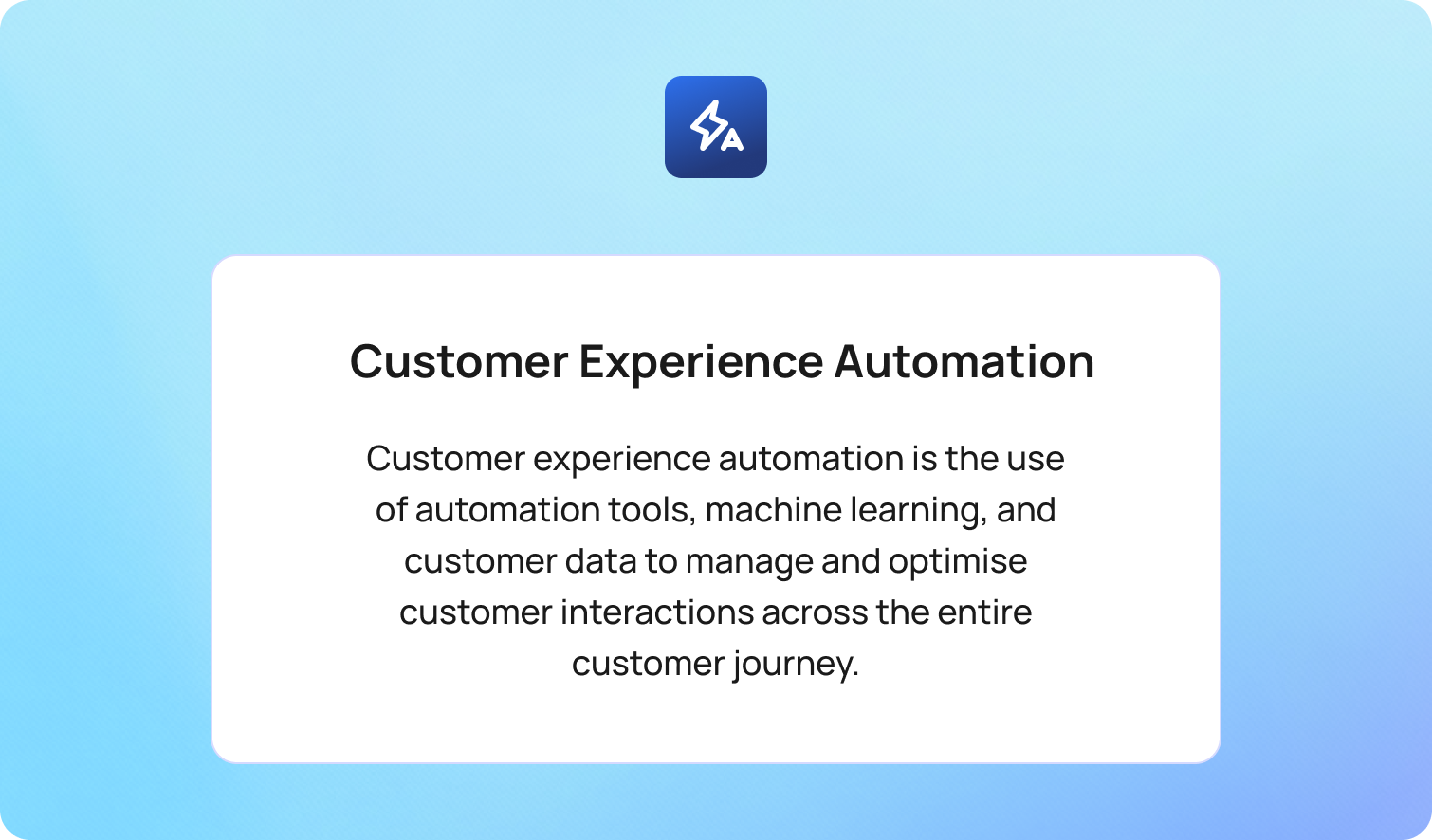
Customer experience automation is the use of automation tools, machine learning, and customer data to manage and optimise customer interactions across the entire customer journey. It enables businesses to automate routine tasks, deliver personalized interactions at scale, and create a more efficient, consistent customer experience across the entire customer lifecycle.
But defining what customer experience automation is purely in technical terms undersells its impact. In practice, it’s about designing an automated customer experience that feels seamless, responsive, and personal, without requiring constant human intervention.
Today, customer experience encompasses every interaction a customer has with your brand, from discovery to onboarding, support, retention, and beyond. That means automating customer experiences isn’t just about deploying chatbots or handling customer inquiries. It’s about orchestrating the entire customer journey using a robust customer experience automation platform.
By combining customer data platforms, customer relationship management CRM systems, and CX automation software, businesses can unify customer data, analyze customer behavior, and deliver personalized communications across multiple channels. The result is a connected, intelligent system that continuously learns from customer interactions and evolves alongside customer expectations.
Customer experience automation isn’t about replacing human interaction… It’s about elevating it. By removing friction from routine tasks, businesses can focus their people where they matter most: building meaningful customer relationships.

Why Does Customer Experience Automation Matter?
Customer experience automation matters because it helps businesses meet rising customer expectations for speed, personalisation, and consistency across multiple channels. By combining automation and customer experience strategies, organisations can improve customer satisfaction, reduce operational costs, and deliver seamless customer interactions at scale.
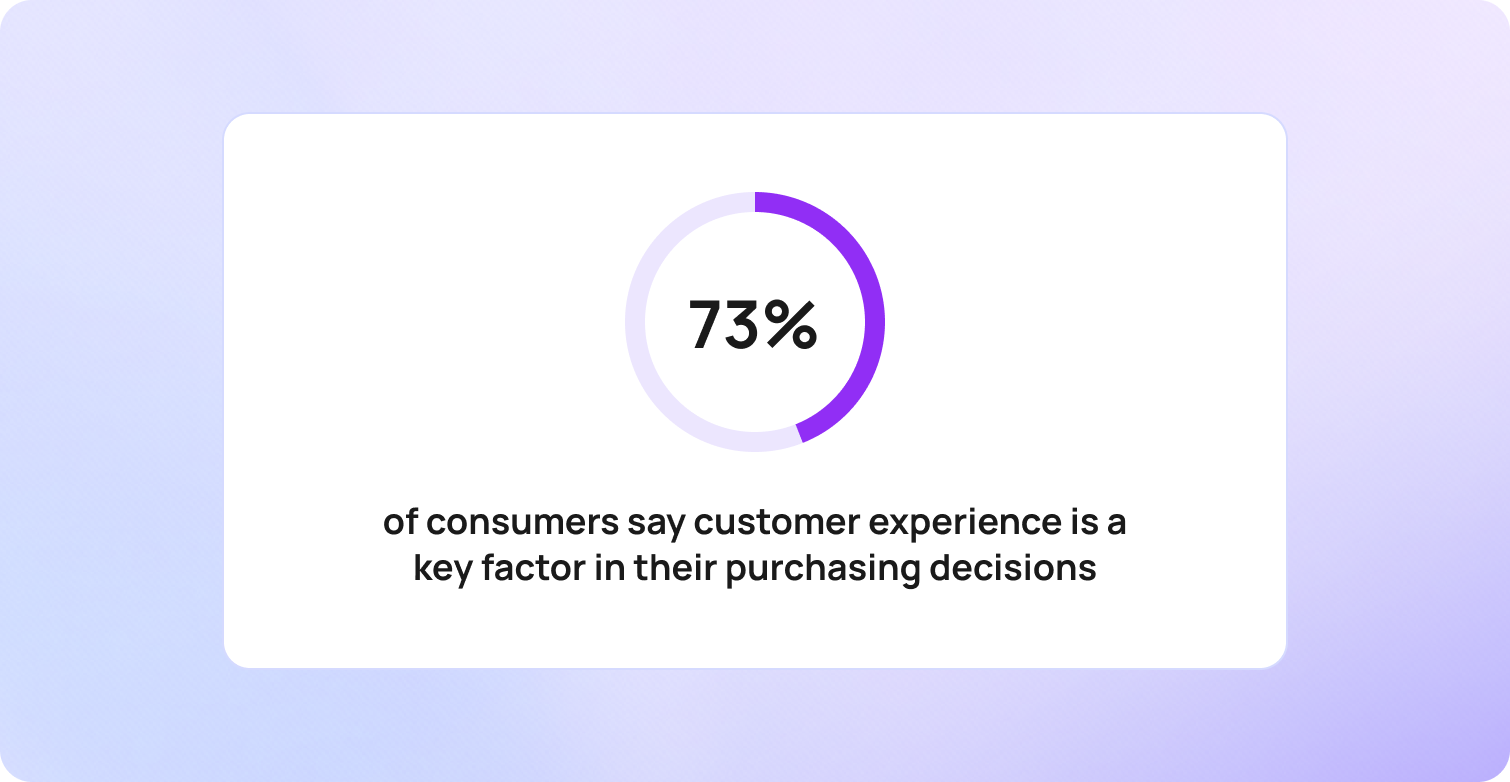
According to PwC, 73% of consumers say customer experience is a key factor in their purchasing decisions, yet only a small percentage feel companies consistently meet their expectations. This gap highlights a growing need for businesses to rethink how they manage customer interactions and why customer experience automation is becoming a strategic priority.
Over the last few years, customer expectations have fundamentally changed. Speed, convenience, and relevance are no longer differentiators; they’re baseline requirements. Today, customers expect:
- Instant responses to customer queries
- Seamless customer interactions across multiple channels
- Personalized interactions based on their needs and past behavior
This is where automation and customer experience come together to create a competitive advantage.
Customer experience automation enables businesses to move beyond fragmented systems and deliver a unified experience across every customer touchpoint. Instead of disconnected tools and manual processes, businesses can deploy automation solutions that connect marketing automation, customer communication, and customer service into one cohesive system.
With a well-implemented automation customer experience strategy, businesses can:
- Automate customer experience across the entire customer lifecycle
- Deliver uniform service quality at scale
- Continuously monitor customer sentiment and customer feedback
- Improve customer satisfaction while reducing operational costs
More importantly, it allows organisations to rethink how work gets done. Repetitive tasks, routine inquiries, and data entry can be handled by automated systems, freeing up customer service agents and customer service representatives to focus on complex tasks that require empathy, creativity, and human judgment.
This balance between automation and human agents is what defines best-in-class experience automation today.
Key Benefits of Customer Experience Automation
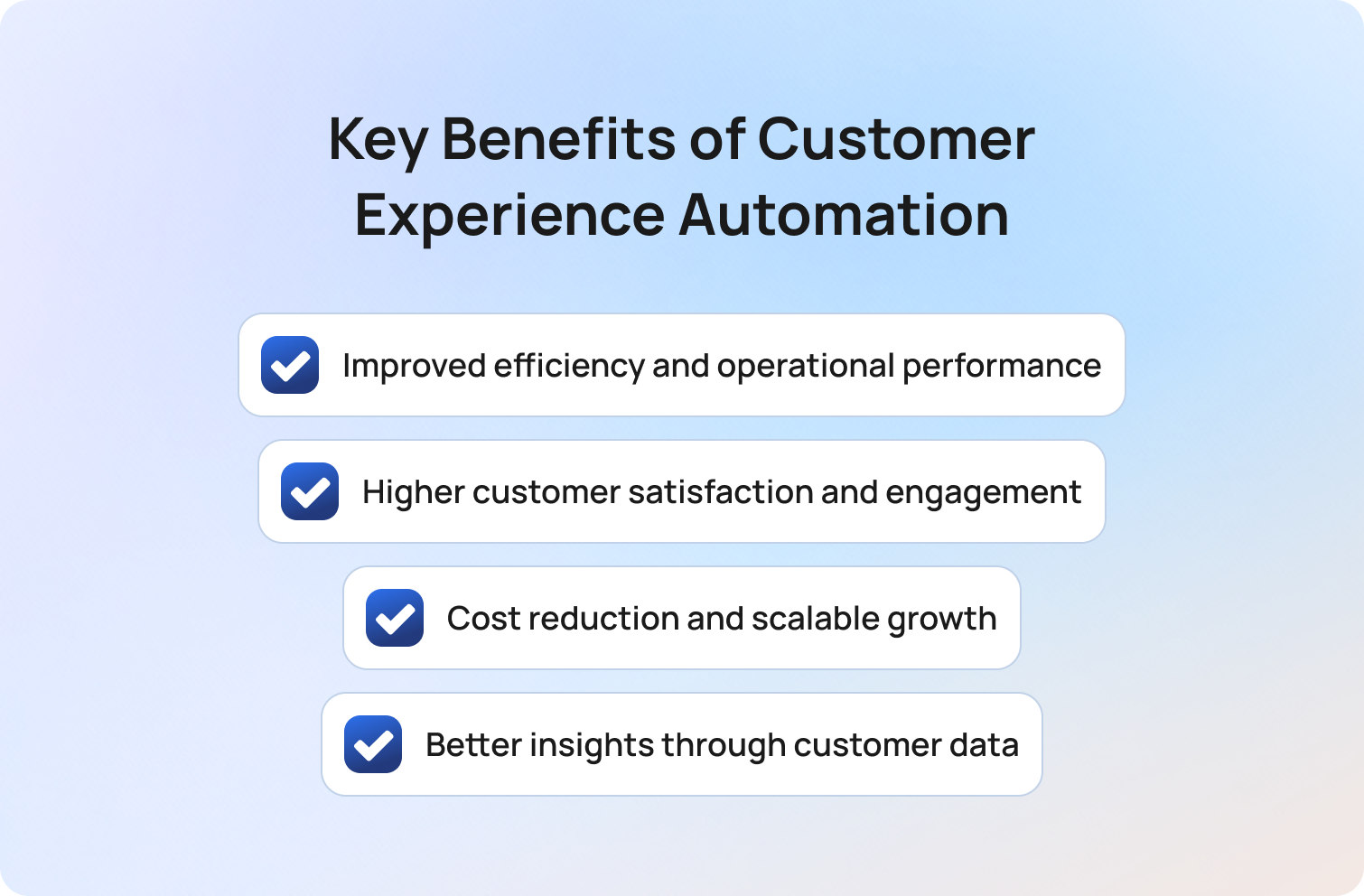
Customer experience automation is the strategic use of automation tools, customer data, and machine learning to improve how businesses manage customer interactions across the entire customer journey. Its benefits span efficiency, scalability, and customer satisfaction, helping organisations automate routine tasks, reduce operational costs, and deliver consistent, personalized interactions at every stage of the customer lifecycle.
1. Improved Efficiency and Operational Performance
One of the most immediate benefits of customer experience automation is its impact on operational efficiency.
In traditional models, customer interactions are heavily dependent on human input, which slows down response times and increases staffing and resource allocation challenges. With CX automation, businesses can automate routine tasks such as handling customer inquiries, managing customer queries, and processing repetitive tasks like data entry.
By implementing automated workflows and advanced automation tools, businesses can:
- Handle high volumes of customer requests simultaneously
- Reduce response times across all customer interactions
- Improve operational efficiency while optimising staffing and resource allocation
This ensures that even during peak demand, customer communication remains fast, accurate, and consistent. Self-service tools and self-service portals also empower customers to resolve issues independently, which reduces pressure on support teams while improving the automated customer service experience.
2. Higher Customer Satisfaction and Engagement
Customer experience automation plays a direct role in improving customer satisfaction. When customers receive fast, relevant, and consistent responses, their perception of your brand improves.
An automated customer experience ensures that no customer inquiries are missed, and every interaction meets a baseline level of quality. With the right customer experience automation platform, businesses can:
- Deliver consistent experiences across multiple channels
- Provide personalized interactions using existing customer data
- Improve customer satisfaction through faster resolutions
More advanced CX automation tools go even further and enable businesses to analyze customer behavior and tailor personalized communications in real-time. This creates a more engaging, relevant experience that strengthens customer relationships and drives long-term loyalty.
3. Cost Reduction and Scalable Growth
Scaling customer experience without increasing operational costs has historically been a challenge. Customer experience automation changes that equation.
By shifting routine inquiries and basic customer support to automated systems, businesses can significantly reduce operational costs while maintaining high customer service quality.
With automation, customer experience strategies in place:
- Human agents focus on more complex tasks
- Repetitive tasks are handled automatically
- Businesses scale customer interactions without scaling headcount
This not only improves efficiency but also creates a more sustainable model for managing client relationships and supporting growth across the entire customer lifecycle.
A great example of this in action can be seen in BlueTweak’s customer success story with a medical clinic; high volumes of customer inquiries and fragmented customer interactions were impacting service quality. By implementing a unified customer experience automation platform, the clinic streamlined routine inquiries, introduced self-service tools, and improved response times across the entire customer journey. The result was higher customer satisfaction, improved operational efficiency, and more consistent, personalised interactions across every patient touchpoint.
4. Better Insights Through Customer Data
Customer experience automation platforms ought to do more than execute; they should also generate intelligence. Every automated interaction produces valuable data. When businesses unify customer data across systems, they gain a clearer view of the entire customer journey.
By leveraging customer data platforms and cx automation software, businesses can:
- Analyze customer data and customer sentiment in real time
- Generate valuable insights into customer behavior
- Optimize customer experience management strategies
This ability to continuously analyze customer data allows businesses to proactively adapt to customer needs, rather than reacting after the fact.
Over time, this creates a feedback loop where experience automation not only improves efficiency but also enhances decision-making across marketing automation, customer service, and business process management.
How Automation Improves Customer Experience Metrics
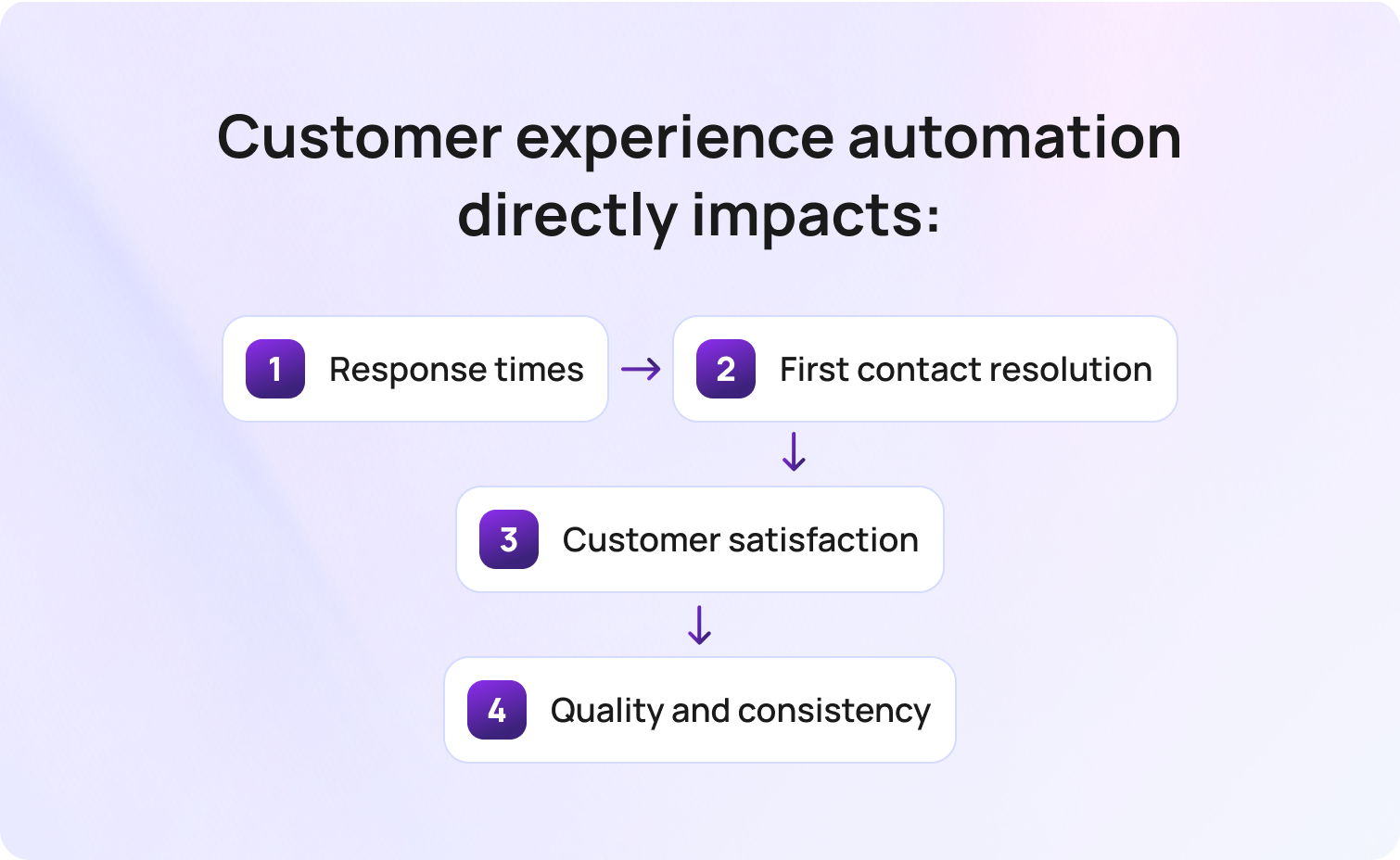
Customer experience automation improves key performance metrics by using automation tools, machine learning, and customer data to optimize customer interactions across the entire customer journey in real time. By reducing friction and automating routine tasks, it enables businesses to deliver faster, more accurate, and more consistent experiences at scale.
Understanding how automation improves customer experience metrics is critical for organisations looking to justify investment in CXA. Traditional customer service models often struggle with delays, inconsistent responses, and limited visibility into performance. In contrast, CXA introduces structured, data-driven processes that continuously improve over time.
Customer experience automation directly impacts:
- Response times through automated customer service experience
- First contact resolution via intelligent routing and natural language processing
- Customer satisfaction scores across the entire customer lifecycle
- Overall customer service quality and consistency
By using machine learning and natural language processing, CX automation software can interpret customer queries, analyse intent, and route requests to the most appropriate channel, whether that’s self-service options or human agents for more complex tasks.
Crucially, these improvements compound over time. As businesses continue to analyze customer data and customer behavior, they gain valuable insights that help refine automated workflows, optimize customer communication, and deliver consistent experiences across multiple channels. This results in smarter, more adaptive customer engagement that evolves alongside customer expectations.
Examples of Auditable Decisioning in Customer Experience Automation
Customer experience automation platforms enable auditable, transparent decision-making by tracking how automated systems use customer data to manage customer interactions across the entire customer journey. This ensures that businesses can scale automation while maintaining compliance, accountability, and trust.
As organisations increasingly rely on automated systems and CX automation tools, the ability to explain and justify decisions becomes essential, particularly in industries where governance and data privacy are critical. Customer experience automation must not only be efficient, but also traceable. That’s where examples of auditable decisioning in customer experience automation become important.
Modern customer experience automation platforms provide visibility into how decisions are made, ensuring alignment with business rules, regulatory requirements, and customer expectations. Examples include:
- Automated workflows that log every customer interaction across the entire customer lifecycle
- AI-driven routing decisions based on predefined rules, customer data, and business logic
- Customer data usage is tracked and managed across customer data platforms
- Decision logs within cx automation systems that provide full traceability and audit trails
This level of transparency allows businesses to continuously monitor customer sentiment, validate how automation tools are performing, and ensure that customer experience management strategies remain aligned with both compliance standards and customer needs.
Ultimately, auditable decisioning strengthens trust, not just internally, but with customers. It ensures that as businesses automate customer experience at scale, they do so responsibly, with full visibility into how every interaction is handled.
Final Thoughts: Turning Customer Experience Automation Into Competitive Advantage
Customer experience automation is the strategic use of automation tools, customer data, and machine learning to transform how businesses manage customer interactions across the entire customer journey. When implemented effectively, it enables businesses to improve customer satisfaction, reduce operational costs, and deliver consistent, personalised interactions at scale.
But the real value of CXA goes beyond efficiency. It allows organisations to move from reactive support models to proactive, insight-driven engagement, where every interaction is informed by data, shaped by customer behavior, and optimised in real-time.
As customer expectations continue to evolve, businesses that invest in experience automation will be better positioned to adapt, scale, and compete. Those that don’t risk falling behind will ultimately struggle with fragmented systems, inconsistent service quality, and rising operational complexity.
Ready to see what customer experience automation can do for your business? Book a demo with BlueTweak or try the platform for free to discover how you can streamline customer interactions, improve operational efficiency, and deliver exceptional experiences across the entire customer lifecycle.
The Power of Humanized Digital Experiences: Beyond Discounts and Loyalty Perks
In today’s hyperconnected world, where consumers are bombarded with countless options and brand messages, establishing meaningful connections with customers has become more important than ever. While discounts and loyalty perks have traditionally played a significant role in building brand loyalty, a paradigm shift is underway. Recent studies have shown that a whopping 74% of consumers believe that brand loyalty is about being touched, understood, and valued. This shift in consumer expectations has given rise to the concept of humanized digital experiences, where brands go beyond transactional interactions to foster genuine connections with their customers. In this article, we will explore the significance of humanized digital experiences and the ways in which brands can embrace this approach to drive customer loyalty and engagement.
The Rise of Humanized Digital Experiences
In the digital age, consumers seek more than just a product or service; they desire an emotional connection with the brands they support. Humanized digital experiences encapsulate this desire by focusing on building authentic relationships and personalized interactions. Brands that prioritize empathy, understanding, and genuine communication have the power to differentiate themselves in the crowded digital marketplace.
Understanding Customer Needs
To create humanized digital experiences, brands must first understand their customers’ needs and aspirations. This requires gathering data and utilizing analytics to gain insights into customer behavior, preferences, and pain points. By understanding their target audience on a deeper level, brands can tailor their digital experiences to meet their customers’ specific needs.
Personalization and Customization
One of the key elements of humanized digital experiences is personalization. Customers appreciate when brands recognize them as individuals and provide tailored recommendations or content. By leveraging customer data, brands can create personalized offers, product suggestions, and relevant communications that resonate with each customer. Additionally, allowing customers to customize their experiences, such as choosing preferences or settings, empowers them and fosters a sense of ownership.
Read more about: Navigating the Future: Customer Support Trends for 2024
Responsive and Transparent Communication
Effective communication is at the heart of humanized digital experiences. Brands should focus on creating open channels of communication with their customers, allowing them to provide feedback, ask questions, or voice concerns. Responding promptly and transparently builds trust and shows customers that their opinions and experiences matter. This approach not only resolves issues but also strengthens the relationship between the brand and the customer.
Read more about: The Crucial Role of Feedback Integration in Omnichannel AI-Driven Platforms
Empathy and Emotional Connection
Humanizing digital experiences requires brands to infuse empathy and emotional intelligence into their interactions. Understanding customers’ emotions and providing support during critical moments, such as purchase decisions or problem resolution, can have a profound impact on customer loyalty. Brands that genuinely care about their customers’ well-being and success create lasting emotional connections that extend beyond the transactional nature of business.
Read more about: Transforming Quality and Customer Satisfaction with BlueHub in Packaging Industry
Community Building and Advocacy
Humanized digital experiences extend beyond individual interactions to foster a sense of community among customers. Brands can create spaces, such as online forums or social media groups, where customers can connect, share experiences, and support each other. By nurturing a community, brands can cultivate a sense of belonging and tap into the power of customer advocacy, as satisfied customers become brand ambassadors who willingly share their positive experiences with others.
In an era where technology dominates interactions, brands must recognize the growing importance of humanized digital experiences. Consumers are increasingly seeking connections that go beyond discounts and loyalty perks. By focusing on empathy, personalization, transparent communication, and community building, brands can create meaningful relationships with their customers. Embracing the concept of humanized digital experiences will not only drive customer loyalty but also differentiate brands in a crowded marketplace, ensuring long-term success in the digital age.

The Rise of Voice Technology
In recent years, the world has witnessed an exponential growth in voice technology, revolutionizing the way we interact with our devices and changing the dynamics of various industries. From voice assistants to smart speakers, voice technology has found its way into our homes, workplaces, and even our pockets. With the market projected to reach a staggering $30 billion by 2026, it’s evident that voice technology is here to stay. In this article, we explore the reasons behind its meteoric rise and the transformative impact it is set to have on numerous sectors.
The Increasing Popularity of Voice Assistants
Voice assistants, such as Amazon’s Alexa, Apple’s Siri, and Google Assistant, have become ubiquitous in households worldwide. These virtual helpers can perform a range of tasks, from answering questions and setting reminders to controlling smart home devices. The convenience and ease of use offered by voice assistants have been instrumental in driving their adoption.
Furthermore, the proliferation of smart speakers, which act as a gateway to voice assistants, has contributed to their popularity. With intelligent voice recognition systems and natural language processing capabilities, these devices enable users to interact effortlessly with their devices, making voice technology an integral part of our daily lives.
Enhanced User Experience and Convenience
Voice technology offers a more intuitive and user-friendly interface, eliminating the need for complex button sequences or navigating through multiple screens. Voice commands provide a seamless and hands-free experience, allowing users to interact with devices while multitasking or when their hands are occupied. Whether it’s getting real-time information, placing online orders, or controlling smart home devices, voice technology simplifies tasks and streamlines interactions.
Read more about: Unlocking Success: The Benefits of a Customer Support Platform
Advancements in Natural Language Processing (NLP) and Machine Learning
The rapid advancements in natural language processing and machine learning have been pivotal in improving the accuracy and reliability of voice technology. NLP algorithms now better understand human speech patterns, dialects, and accents, enabling more accurate voice recognition and interpretation. As these technologies continue to evolve, voice technology will become even more proficient at understanding context, intent, and user preferences, leading to highly personalized and tailored experiences.
Read more about: Embracing Customer Experience Automation: The Future of Business Interactions
Integration with Internet of Things (IoT) and Smart Homes
The integration of voice technology with the Internet of Things (IoT) has opened up a new realm of possibilities. Voice commands can control an array of smart devices, including thermostats, lights, security systems, and kitchen appliances. The seamless integration of voice technology into smart homes not only enhances convenience but also improves energy efficiency, home security, and overall quality of life.
Read more about: BlueHub’s AI-Powered Customer Support Transformation for E-Commerce Client
Transforming Industries and Driving Innovation
Voice technology has extended its influence beyond the consumer realm and is driving innovation across various industries. In healthcare, voice assistants can assist with patient care, medication reminders, and monitoring vital signs. In retail, voice-enabled shopping experiences are becoming increasingly popular, simplifying product searches and purchases. In the automotive sector, voice technology enables hands-free communication and control, enhancing driver safety.
Furthermore, voice technology is making significant inroads in customer service, education, and entertainment. Voice-enabled chatbots provide immediate and personalized support, voice-activated learning tools engage students, and voice-controlled entertainment systems offer immersive experiences. These applications signify the transformative potential of voice technology across sectors.
The rapid growth of voice technology is revolutionizing the way we interact with technology, opening up new possibilities and improving the overall user experience. With voice assistants becoming increasingly integrated into our daily lives, the market for voice technology is projected to reach a substantial $30 billion by 2026. This growth is driven by the convenience, enhanced user experience, and continuous advancements in natural language processing and machine learning.
As voice technology continues to evolve, it will undoubtedly unlock further opportunities for innovation, impacting industries ranging from healthcare and retail to automotive and entertainment. The rise of voice technology signals a fundamental shift in how we engage with technology, paving the way for a more seamless and intuitive future.



